Liège
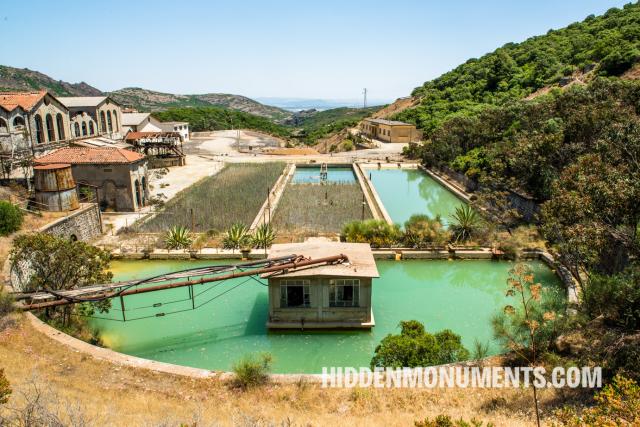
In 1825, brothers Charles James and John Cockerill obtained a concession from the Dutch King William I to search for lead ore in Plombières.
Newest articles

In the valley of the River Thyle, a group of monks came together in 1146 to build the Villers Abbey.

Near the Hauptbahnhof station in Berlin, Germany, the only relict of the Berliner Gewerbeausstellung from 1879 is a higgledy-piggledy staircase.
Discover more Destinations
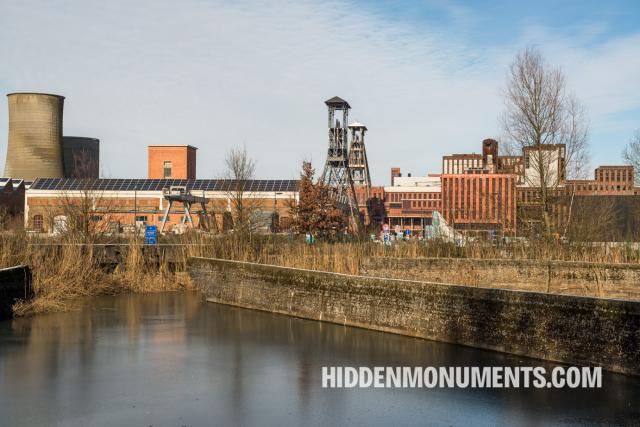
With its two headframes, water towers, bathing rooms, coal washeries and unloading floors, the Beringen coal mine is the most complete mining site in the Belgian coal region Limburg.



The monumental coal preparation plant of Beringen is the showcase of the Beringen coal mine. Yet the four wings of the complex were threatened with demolition for years. However, in 2023, the be-NATURE project was given the green light.
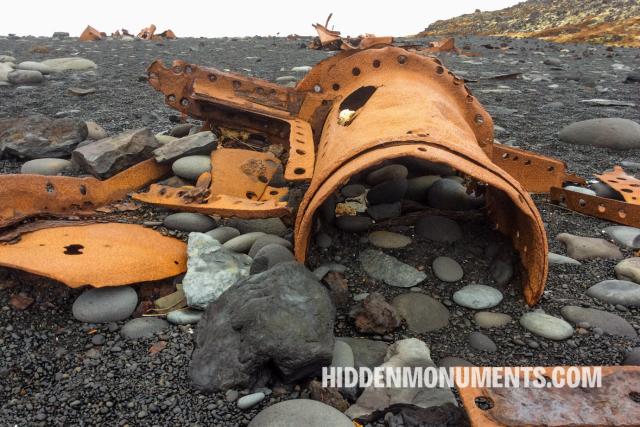
A stormy night ended dramatically for the crew of a British trawler on March 13, 1948. Their ship crashed off the rocky coast of Dritvik in western Iceland.
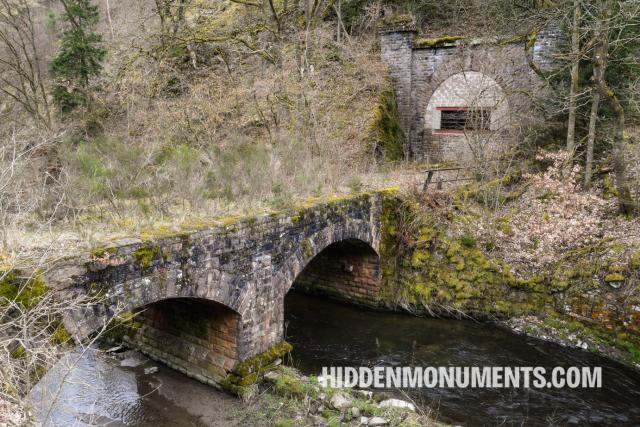
Height differences in the landscape, forests, or rivers? In the late nineteenth century, nothing could stop the construction of railway line 47 between Sankt Vith and Troisvierges in Luxembourg. Along with railway line 48, this route formed the historic Vennbahn, where iron ores and coal were transported.
Latest from the blog

If you love hiking and exploring industrial history, the Minett Trail in southern Luxembourg is the perfect adventure. Winding through the country’s historic steel heartland, this trail connects old industrial sites, cultural landmarks, and striking landscapes.
All photos and stories are copyrighted. Of course, linking to articles on the site is possible and allowed.
If you would like to use photos or articles from this website, please contact bart@hiddenmonuments.com.
© 2003-2025 Hiddenmonuments.com
