
Berlin
A control tower was erected at West Berlin's Joachimsthaler Platz to manage car traffic in 1956.
Join us on a travel trip to hidden gems in Germany: a deep dive into Germany's rich history through its landmarks and World Heritage monuments.
A control tower was erected at West Berlin's Joachimsthaler Platz to manage car traffic in 1956.

Several metres of reconstructed tram tracks recall the world's first electric tram ride in the German capital, Berlin. Werner von Siemens stood at the cradle of that world first.
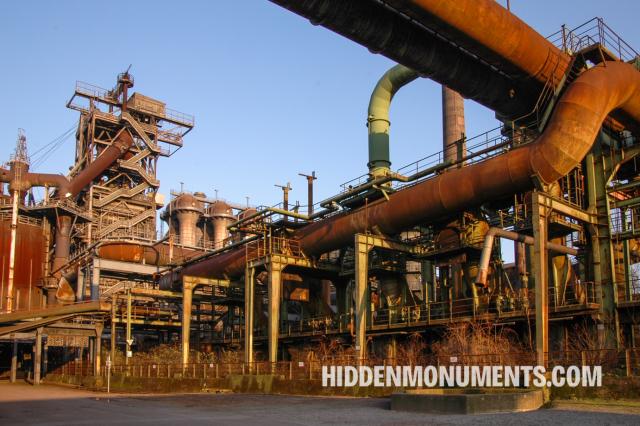

New Year's Eve 1874. Over a railway viaduct hundreds of metres long near Wesel, Germany, a first train thunders over what will become the transnational railway line between Paris and Hamburg.

From 1894, on Brunnenstraße and Ackerstraße in Berlin, AEG built a veritable city within the city: the brand-new 'AEG-Humboldthain' plant.
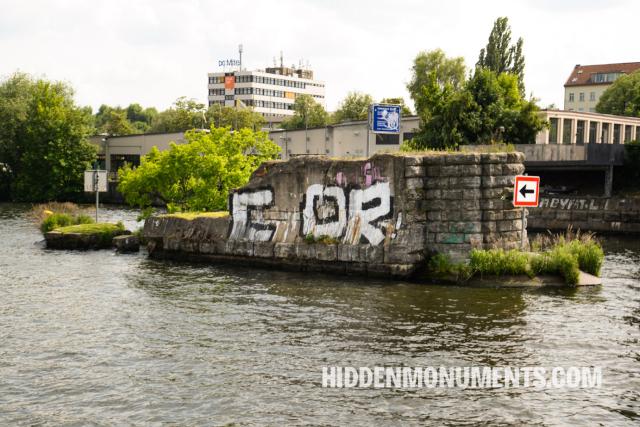
Hardly anything remains of the Brommy Bridge over the Spree today. In 1945, the bridge was blown up by the German army to prevent the Red Army's advance.
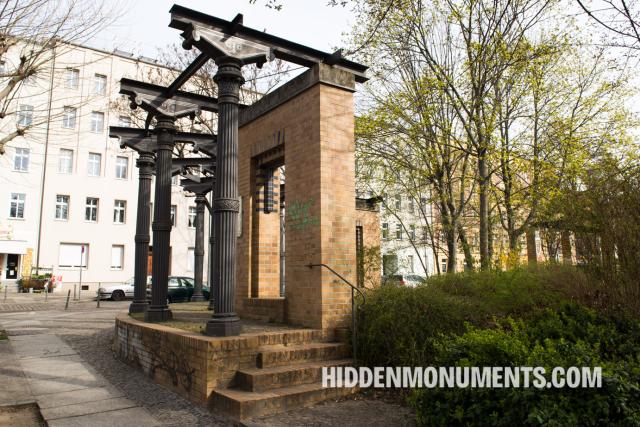
Hartung columns or 'Hartungsche Säule' may be a familiar name in Berlin, but outside the German capital, their name mostly raises questions. What does the name Hartung stand for?
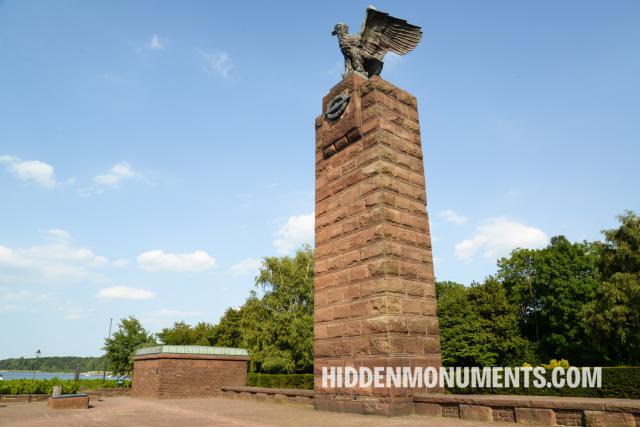
An eagle atop a 15-meter-high pillar was inaugurated in 1930 and originally commemorated German marines killed aboard a submarine during World War I.
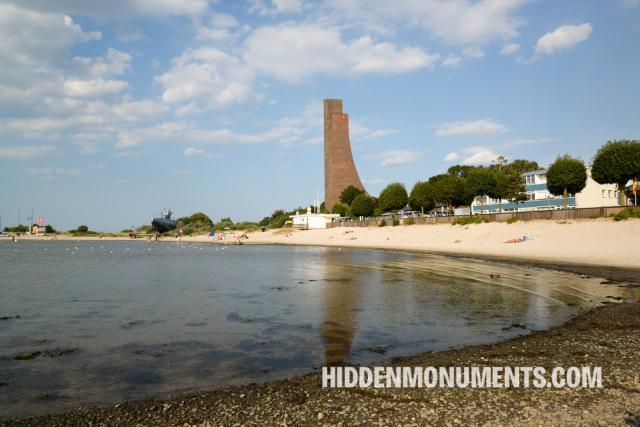
The Laboe Naval Memorial's foundation stone was laid in 1927 at the mouth of the Kieler Fjord in the Baltic Sea. The 72-metre-high tower was finished in 1936.
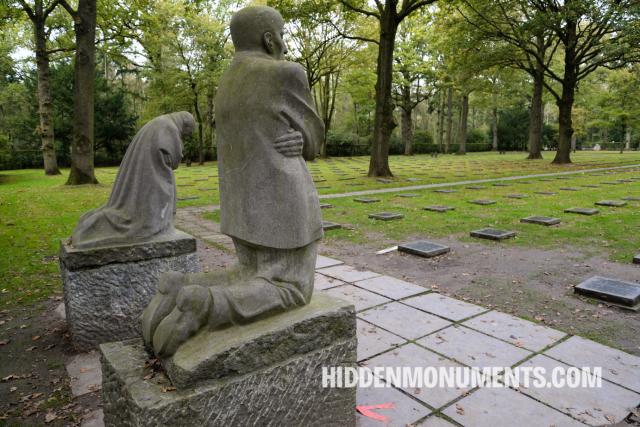
German soldier Peter Kollwitz was not yet 18 years old when he was killed on 23 October 1914 while attempting to cross the Yser near Diksmuide.
Latest from the blog

The opening stages of the Tour de France cross northern France, a region deeply marked by the legacy of World War I and the coal industry.
All photos and stories are copyrighted. Of course, linking to articles on the site is possible and allowed.
If you would like to use photos or articles from this website, please contact bart@hiddenmonuments.com.
© 2003-2025 Hiddenmonuments.com