
East Flanders
The park of Lede in East Flanders has been the base of the Lords of Lede since 1200. They had a spacious castle built there and were promoted in 1633 when they were given the title of marquis.
Uncover the haunting beauty and storied past of statues nestled in ghost towns and abandoned villages across the globe.
The park of Lede in East Flanders has been the base of the Lords of Lede since 1200. They had a spacious castle built there and were promoted in 1633 when they were given the title of marquis.
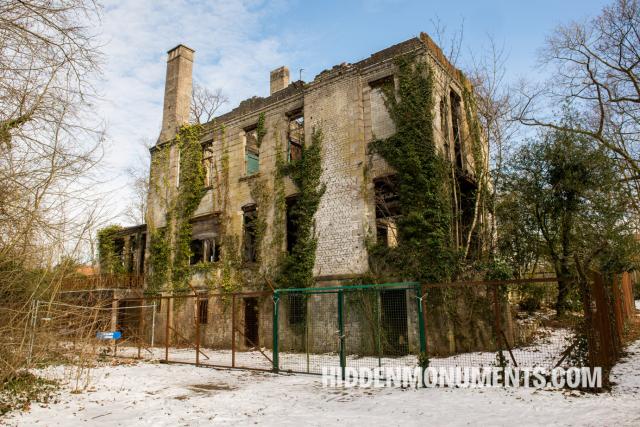
When Limburg became the El Dorado of Belgium at the beginning of the 20th century, coal mines sprang up like mushrooms. In their wake, garden suburbs and engineers' and directors' homes were built.

The former Morlanwelz orphanage is only a shadow of its former self. However, in the early twentieth century, it was the social showcase of the liberal philanthropist Raoul Warocqué.
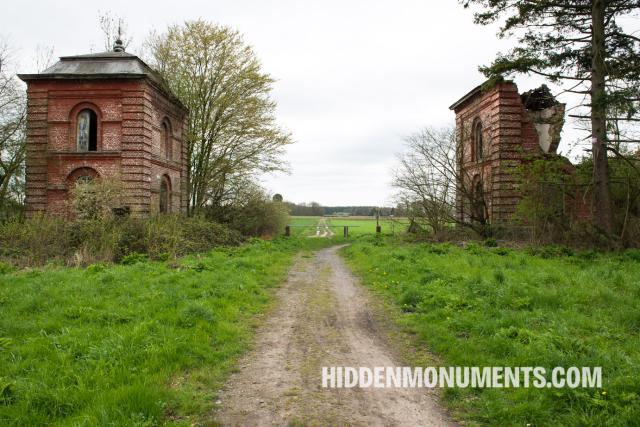
Two dilapidated watchman's pavilions, built in the early nineteenth century, are at the edge of a vast forest in Wallonia.

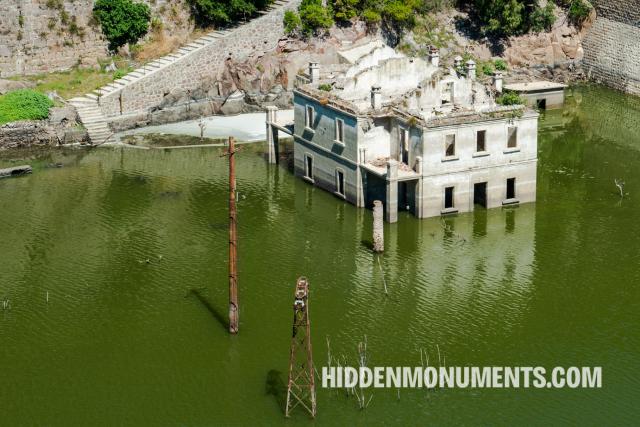
The Omodeo water reservoir in Sardinia reveals its secrets during prolonged drought.

A deathly silence blows through the streets of the mining village of Asproni. Halfway through the twentieth century, the last resident closed the door behind him.

Landslides and floods have chased out the residents of Gairo from their increasingly dilapidated homes.


When the northern French coal mines were nationalized after the Second World War under the Houillères du bassin du Nord et du Pas-de-Calais, rationality and efficiency were the order of the day, including in the mining towns.
Get the latest stories straight to your inbox
Latest from the blog

On the occasion of International Art Nouveau Day, celebrated each year on June 10, a look at how this ornate architectural movement found its way into the most unlikely of places like coal mines, power stations, and railway yards and the long, sometimes heartbreaking battles to save what remains.
All photos and stories are copyrighted. Of course, linking to articles on the site is possible and allowed.
If you would like to use photos or articles from this website, please contact bart@hiddenmonuments.com.
© 2003-2026 Hiddenmonuments.com