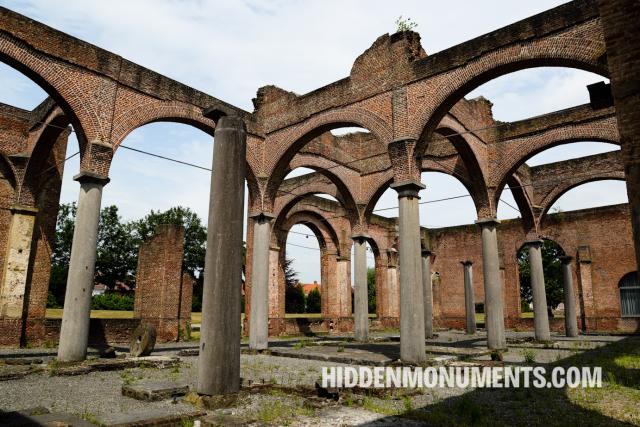
Hainaut
In 1810, industrialist Henri De Gorge bought the Grand-Hornu coal mine in the Borinage, a famous mining region in Belgium.
Discover Europe's rich industrial heritage with a journey through its historic sites. From towering steel mills to repurposed factories, explore the monuments to innovation and the legacy of the Industrial Revolution.
In 1810, industrialist Henri De Gorge bought the Grand-Hornu coal mine in the Borinage, a famous mining region in Belgium.

Since 1876, coal has been transported from the Bernissart mines via Blaton via the 4-kilometre-long railway line 80/78A.

At the end of the eighteenth century, this brick building in Bernissart, Belgium, was built to house a new gadget: Thomas Newcomen's atmospheric engine.

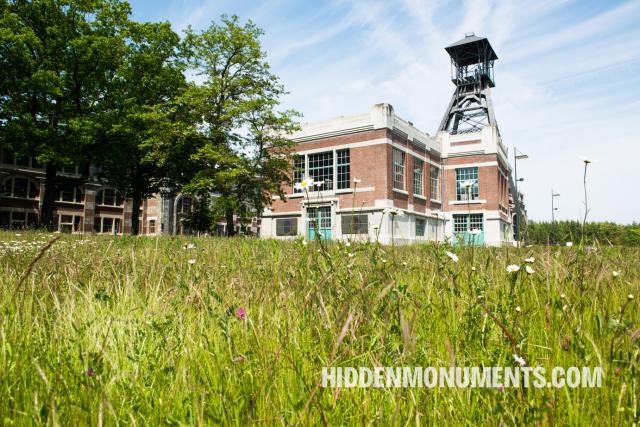
The "Charbonnages André Dumont-sous Asch" is the full name of the Waterschei mine—a tribute to Professor Dumont, the geologist who discovered the coal layers in As.

Ostend is a lot more than sand, sea and sun. Two wooden slipways, built in the United States and installed in 1931 in Oostend, are floating on the Oosteroever.

At the end of the 18th century, the Belgian Rupel region counted more than hundreds of brickworks. However, the rise of concrete and mechanization heralded the end of the brick industry in the 1960s.

A tangle of railways ran through the Limburg coal region, transporting millions of tons of coal to ports and blast furnaces. The coal wagons have disappeared, but old stations and tracks remind us of the busy traffic of yesteryear.
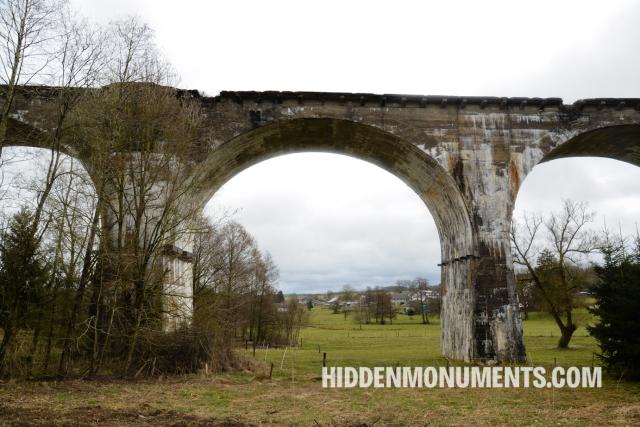
In 1916, the German army constructed a 285-metre-long viaduct in the village of Born in just eight months.
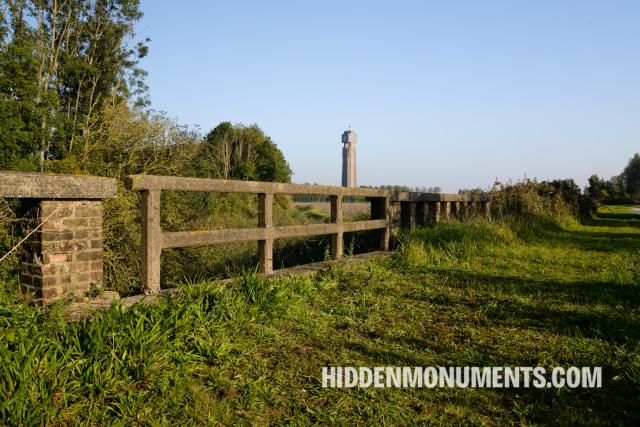
The Frontzate, the former railway line 74 connecting Diksmuide with Nieuwpoort, suddenly played a leading role as a front line during the First World War.
Get the latest stories straight to your inbox
Latest from the blog

On the occasion of International Art Nouveau Day, celebrated each year on June 10, a look at how this ornate architectural movement found its way into the most unlikely of places like coal mines, power stations, and railway yards and the long, sometimes heartbreaking battles to save what remains.
All photos and stories are copyrighted. Of course, linking to articles on the site is possible and allowed.
If you would like to use photos or articles from this website, please contact bart@hiddenmonuments.com.
© 2003-2026 Hiddenmonuments.com