Grand Est
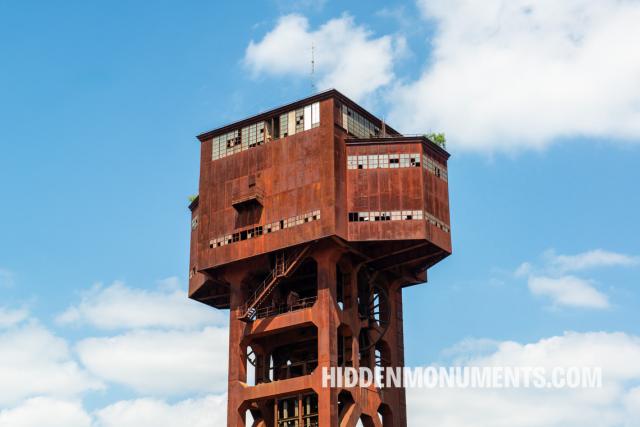
A 58-meter-high headframe tower dominates an otherwise anonymous industrial site in the French Moselle. As early as 1931, two deep shafts were dug here to mine coal.
Discover Europe's rich industrial heritage with a journey through its historic sites. From towering steel mills to repurposed factories, explore the monuments to innovation and the legacy of the Industrial Revolution.
A 58-meter-high headframe tower dominates an otherwise anonymous industrial site in the French Moselle. As early as 1931, two deep shafts were dug here to mine coal.
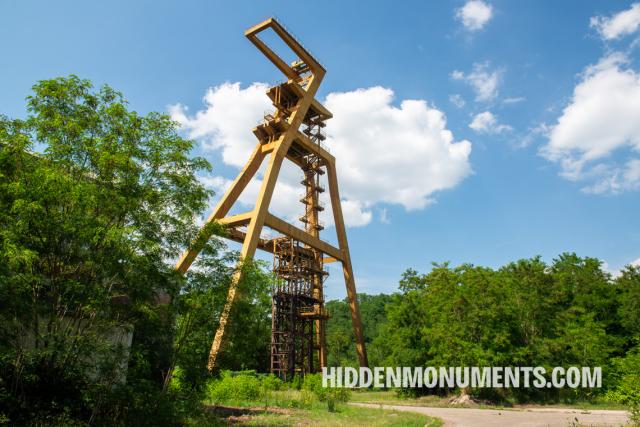
Deep beneath the Lorraine soil in northeastern France lie coal seams that were extensively extracted after the end of the First World War.

Thanks to its red colour, the Delbrück II headframe is a true landmark in the Saarland mining landscape.

For more than half a century, you’ve been able to cross the Kempen Canal near Geel via a Bailey bridge, a temporary bridge developed for military purposes during World War II.

Almost 100 years ago, the electric locomotive ADU No. 6 was assembled in the former steelworks of the Aciéries Réunies de Burbach-Eich-Dudelange, better known as Arbed.

During the modernisation of the steel company ARBED (Aciéries Réunies de Burbach‑Eich‑Dudelange), a concrete water tower was built in 1928.

The headframe of Puits Vuillemin 2 is more than a century old; it is not only a rare survivor of France's coal-mining past but also a significant architectural and technological artefact in the history of industrialisation in Europe.

Rising quietly beside the tracks of Oudenaarde Station in East Flanders, the old water tower is easy to overlook—yet it stands as a striking piece of industrial heritage.

Tucked away in the northern French town of Croix stands a bold statement in brick, steel, and marble: Villa Cavrois. This striking modernist mansion, completed in 1932, was the brainchild of famed architect Robert Mallet-Stevens.

The former VEB Schultheiss-Brauerei Schönhauser Allee today houses everything except a brewery. Brewing beer had already come to an end in the GDR era.
Get the latest stories straight to your inbox
Latest from the blog

On the occasion of International Art Nouveau Day, celebrated each year on June 10, a look at how this ornate architectural movement found its way into the most unlikely of places like coal mines, power stations, and railway yards and the long, sometimes heartbreaking battles to save what remains.
All photos and stories are copyrighted. Of course, linking to articles on the site is possible and allowed.
If you would like to use photos or articles from this website, please contact bart@hiddenmonuments.com.
© 2003-2026 Hiddenmonuments.com