
Hainaut
Did industrialist Évence-Narcisse Coppée II restart his coke factory in 1915 to supply benzol to the German occupier? That question was at the heart of a lawsuit against Coppée in which his coke factory played the leading role.
In coking plants, coal is heated. The result is coke, purified coal used as fuel for blast furnaces (in steel mills).
Did industrialist Évence-Narcisse Coppée II restart his coke factory in 1915 to supply benzol to the German occupier? That question was at the heart of a lawsuit against Coppée in which his coke factory played the leading role.

Four wooden cooling towers cooled thousands of cubic metres of water produced by the Hansa coking plant near Dortmund daily.

In the 1960s, Flanders had its first steel factory along the Ghent-Terneuzen canal. There, Sidmar (Sidérurgie Maritime) rose from the ground. Today, it is the home of the only active blast furnaces in Belgium.

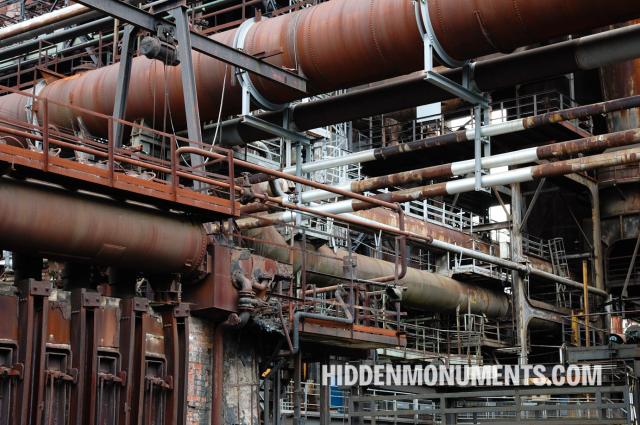
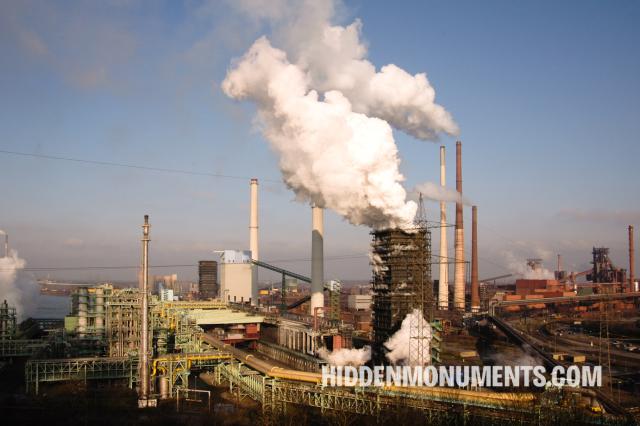
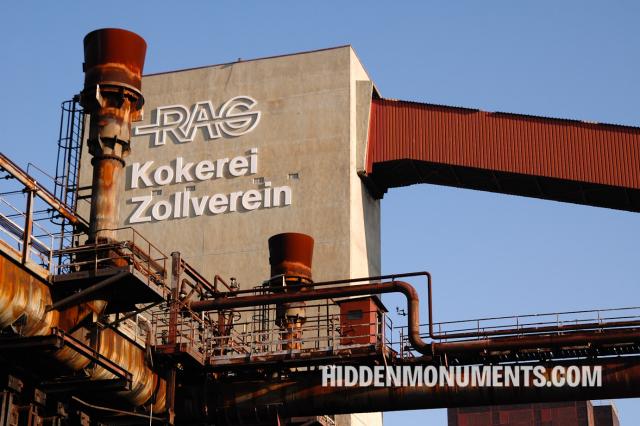
In 1993, the Kokerei Zollverein coking plant was at the end of its rope: the steel crisis of the 1990s caused the demand for coke to melt away.
Get the latest stories straight to your inbox
Latest from the blog

On the occasion of International Art Nouveau Day, celebrated each year on June 10, a look at how this ornate architectural movement found its way into the most unlikely of places like coal mines, power stations, and railway yards and the long, sometimes heartbreaking battles to save what remains.
All photos and stories are copyrighted. Of course, linking to articles on the site is possible and allowed.
If you would like to use photos or articles from this website, please contact bart@hiddenmonuments.com.
© 2003-2026 Hiddenmonuments.com