
Aachen
In 1938, the Organization Todt, the construction company of the German Third Reich, began constructing the West Wall (or Siegfried Line), a German defence line from the Netherlands to the Swiss border.
Join us on a travel trip to hidden gems in Germany: a deep dive into Germany's rich history through its landmarks and World Heritage monuments.
In 1938, the Organization Todt, the construction company of the German Third Reich, began constructing the West Wall (or Siegfried Line), a German defence line from the Netherlands to the Swiss border.
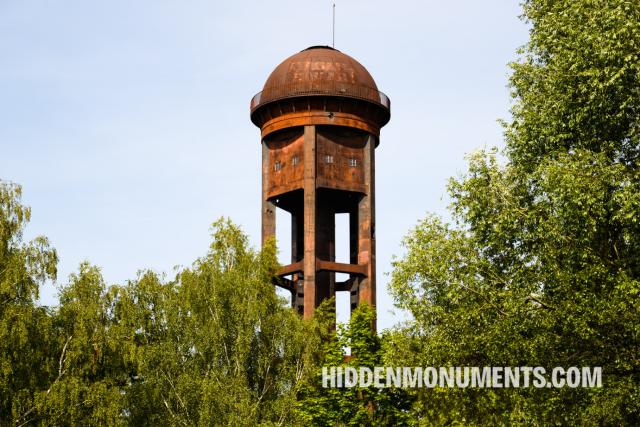
A 50-meter-high water tower rises from the ground between the former Tempelhof railway yard tracks in Berlin. With a capacity of 400 cubic meters of water, he could supply ten steam locomotives with the snap of a finger.
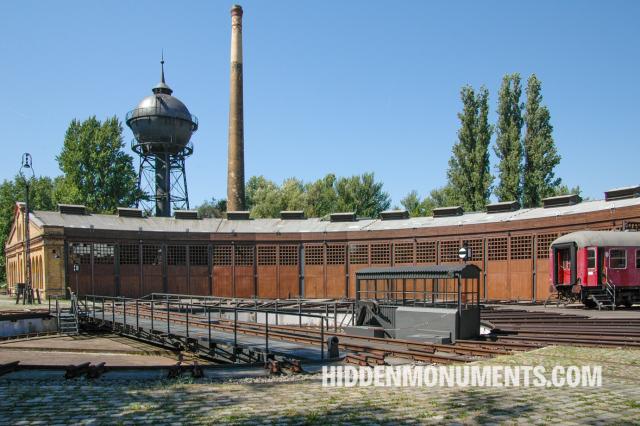
Barely a quarter of a century after constructing the Anhalter Bahn railway depot, the water reservoir was no longer sufficient to supply the larger and more powerful steam locomotives. That is why a completely new water tower was erected in 1908.

At the end of the last century, coal mining in the German Saarland seemed unlimited. For example, the Göttelborn mine was expanded in 1994 with a ninety-meter-high headframe, which was then the highest in the world. Göttelborn was ready for the future.

While the Krupp family ruled the roost in the German Ruhr area, the Stumm family was in charge in the Saarland. The cradle of their steel empire was in Neunkirchen.

The Prosper coal mine was the longest active in the German Ruhr area. The mining giant was named after its director, Duke Prosper Ludwig von Arenberg, in the nineteenth century.
Get the latest stories straight to your inbox
Latest from the blog

On the occasion of International Art Nouveau Day, celebrated each year on June 10, a look at how this ornate architectural movement found its way into the most unlikely of places like coal mines, power stations, and railway yards and the long, sometimes heartbreaking battles to save what remains.
All photos and stories are copyrighted. Of course, linking to articles on the site is possible and allowed.
If you would like to use photos or articles from this website, please contact bart@hiddenmonuments.com.
© 2003-2026 Hiddenmonuments.com