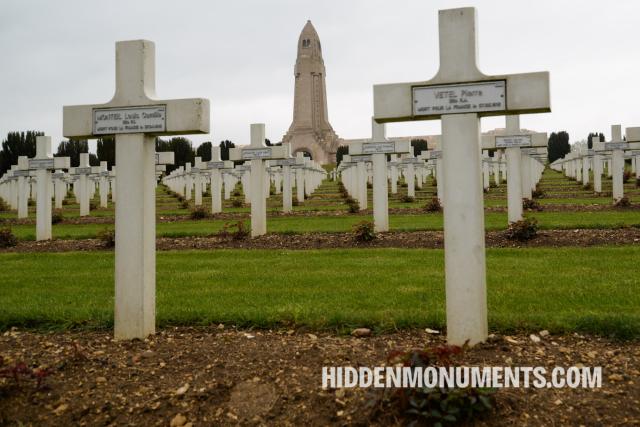
Grand Est
Monday morning, February 21, 1916. It is a quarter past seven in the morning when the German army opens fire on the forts north and east of Verdun in France.
Monday morning, 21 February 1916. It is quarter past 7 in the morning when the German army opens fire on the forts north and east of French Verdun. Or the starting shot of one of the bloodiest battles during World War I.
Monday morning, February 21, 1916. It is a quarter past seven in the morning when the German army opens fire on the forts north and east of Verdun in France.

The thousand inhabitants of the French village of Ornes, on the edge of a forest in the early 20th century, were awoken from their idyllic lives at the outbreak of the First World War.

The bayonet trench in Douamont, France, is a war memorial on the Verdun battlefield that rests on a war myth.
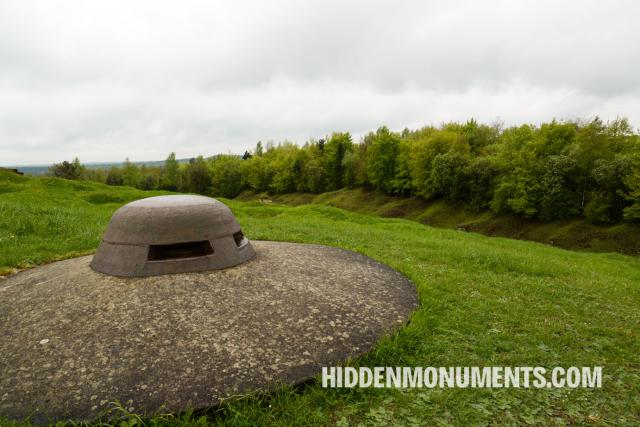
Fort Douamont near Verdun had barely been completed in 1886 or was already obsolete.
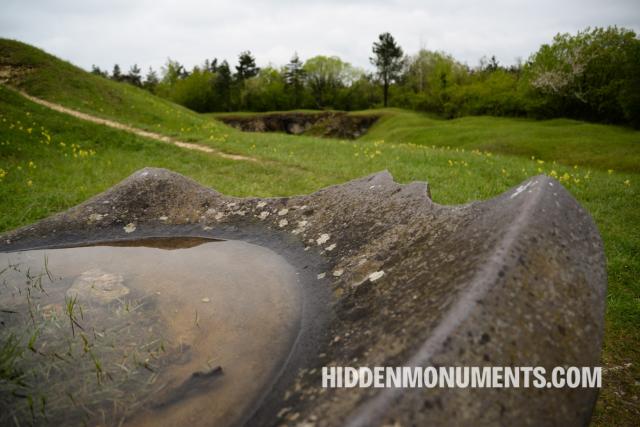
Fort Vaux in Verdun has become a symbol of the heroism of the French soldiers who braved days of siege and shell attacks by the German army during the First World War.
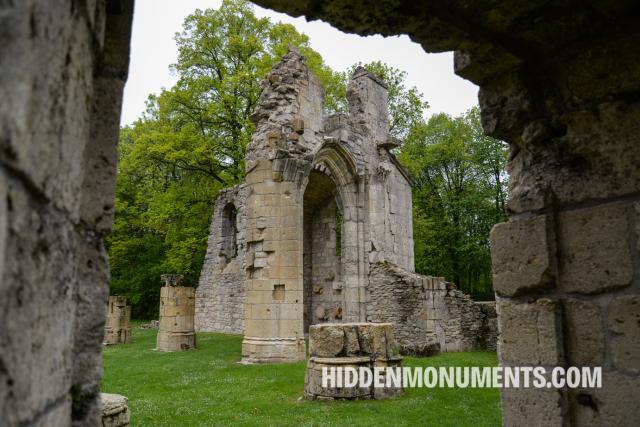
Around 620, a community of monks founded an abbey atop the hill of the French village of Montfaucon d'Argonne.
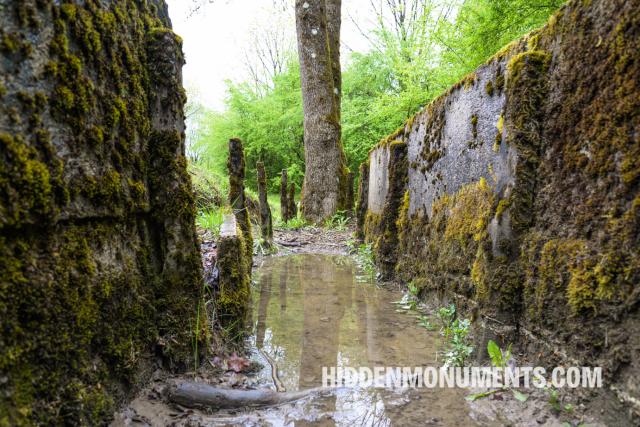
A stone's throw from the Douamont fortress meanders the Boyau de Londres, a World War I trench.

Hidden deep in the woods near Verdun, France, lies Camp Marguerre, where the German army tested the use of concrete during the First World War.
Get the latest stories straight to your inbox
Latest from the blog

On the occasion of International Art Nouveau Day, celebrated each year on June 10, a look at how this ornate architectural movement found its way into the most unlikely of places like coal mines, power stations, and railway yards and the long, sometimes heartbreaking battles to save what remains.
All photos and stories are copyrighted. Of course, linking to articles on the site is possible and allowed.
If you would like to use photos or articles from this website, please contact bart@hiddenmonuments.com.
© 2003-2026 Hiddenmonuments.com