
Hainaut
A 49-meter-long bridge over the River Scheldt, dating back to 1959, was the first railway bridge in Belgium to utilise the technique of prestressed concrete.
Explore over 600 destinations previously published in the archive. Premium members unlock the full story for each destination, GPS coordinates, addresses, heritage maps, and tips for legal visits.
A 49-meter-long bridge over the River Scheldt, dating back to 1959, was the first railway bridge in Belgium to utilise the technique of prestressed concrete.
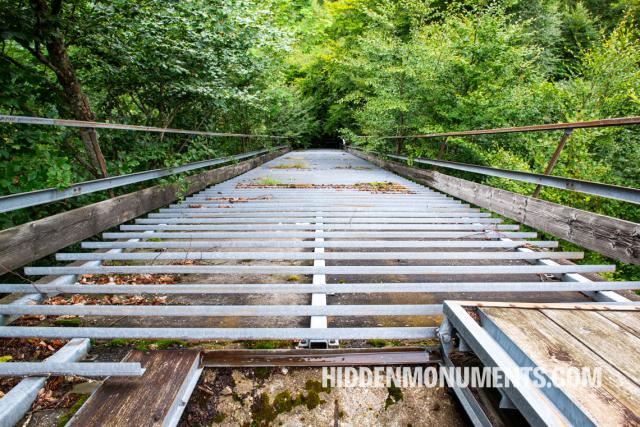
Near a ski resort in the Vosges, you may stumble upon an unexpected piece of sports history. Hidden among the trees, concrete remnants recall the presence of a monumental ski jumping hill.

A graceful arch bridge, a kilometres-long railway tunnel, and several pedestrian bridges still recall a railway line in France from the 1930s that was never completed.

Two concrete towers mark the old Tuolluvaara iron ore mine in the Swedish city of Kiruna.

This summer, a 113-year-old wooden church was moved to a new location in the Swedish town of Kiruna, and that has everything to do with the iron and steel that surround us.
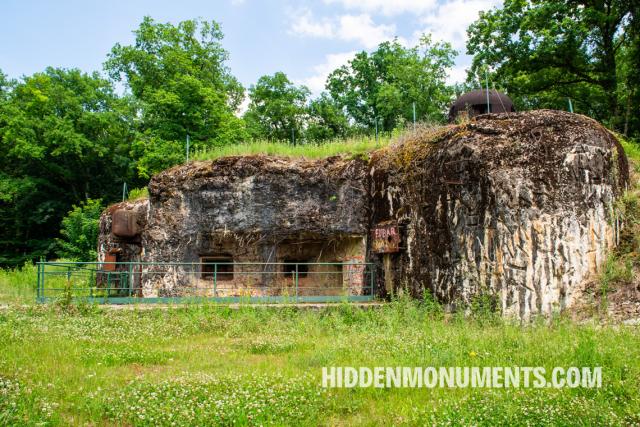
In the French Moselle, a modest infantry work was built in the early 1930s to protect France against a new German invasion.

During the Second World War, the historic naval harbour of Hellevoetsluis in South Holland grew into an essential stronghold within the Atlantic Wall, the 5,000-kilometre-long coastal defence system of Nazi Germany.
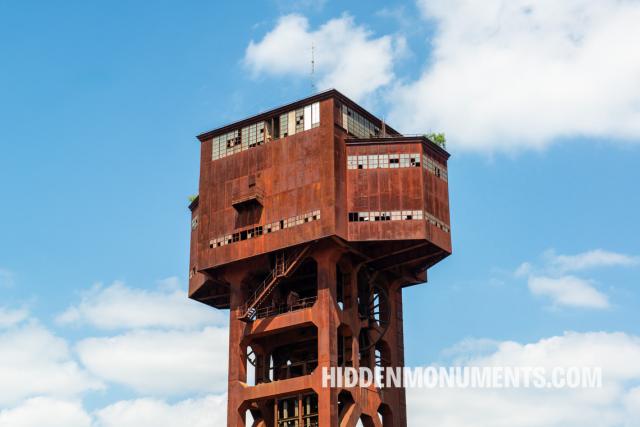
A 58-meter-high headframe tower dominates an otherwise anonymous industrial site in the French Moselle. As early as 1931, two deep shafts were dug here to mine coal.
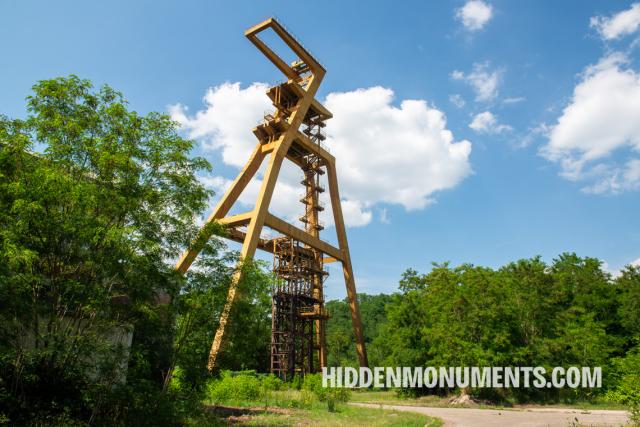
Deep beneath the Lorraine soil in northeastern France lie coal seams that were extensively extracted after the end of the First World War.

Thanks to its red colour, the Delbrück II headframe is a true landmark in the Saarland mining landscape.
Get the latest stories straight to your inbox
Latest from the blog

In Italy, the 25th Olympic Winter Games are getting underway. One of the most spectacular disciplines in the Games since the very beginning is ski jumping.
All photos and stories are copyrighted. Of course, linking to articles on the site is possible and allowed.
If you would like to use photos or articles from this website, please contact bart@hiddenmonuments.com.
© 2003-2026 Hiddenmonuments.com