Schleswig-Holstein
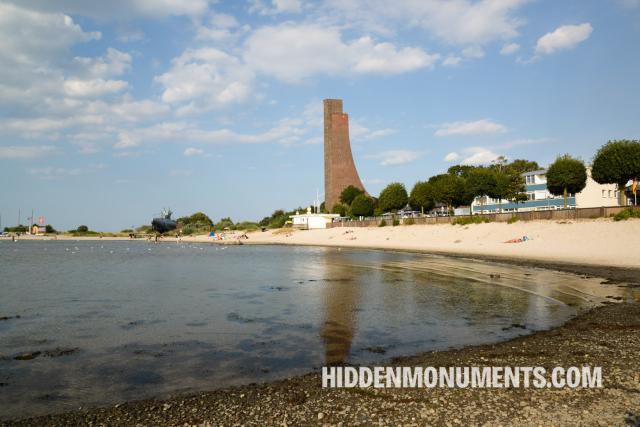
The Laboe Naval Memorial's foundation stone was laid in 1927 at the mouth of the Kieler Fjord in the Baltic Sea. The 72-metre-high tower was finished in 1936.
Explore over 600 destinations previously published in the archive. Premium members unlock the full story for each destination, GPS coordinates, addresses, heritage maps, and tips for legal visits.
The Laboe Naval Memorial's foundation stone was laid in 1927 at the mouth of the Kieler Fjord in the Baltic Sea. The 72-metre-high tower was finished in 1936.

The French military cemetery and monument of Notre-Dame de Lorette, close to Lens, commemorates the thousands of soldiers who lost their lives in one of the heaviest battles during World War I.

The two 30-metre-high pylons of the Canadian War Memorial in Vimy, France, commemorate Canadian soldiers who died during World War I.
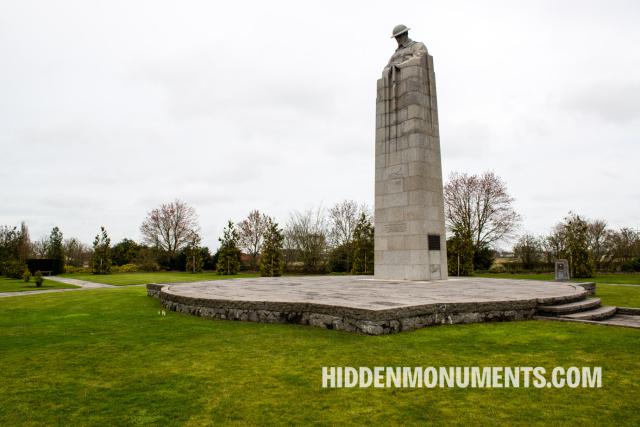
A sculpted soldier guards the Canadian Forces Memorial near the hamlet of St Julian in Langemarck-Poelkapelle since 1922.

At the foot of the French side of the Zwarteberg lies a series of bunkers from the Maginot Line, including this example from 1938.
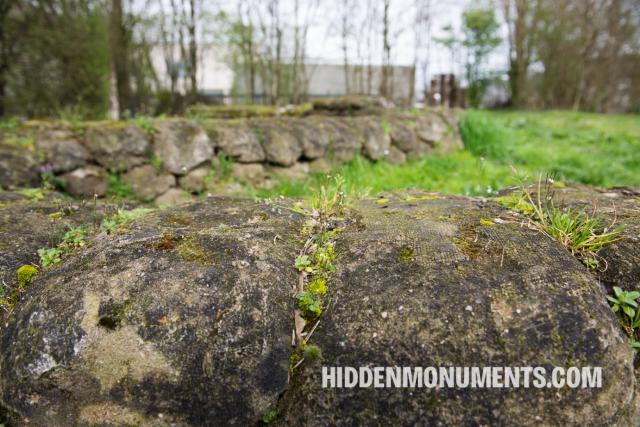
In 1992, a farmer accidentally stumbled upon the remains of a British dugout, a World War I underground shelter.
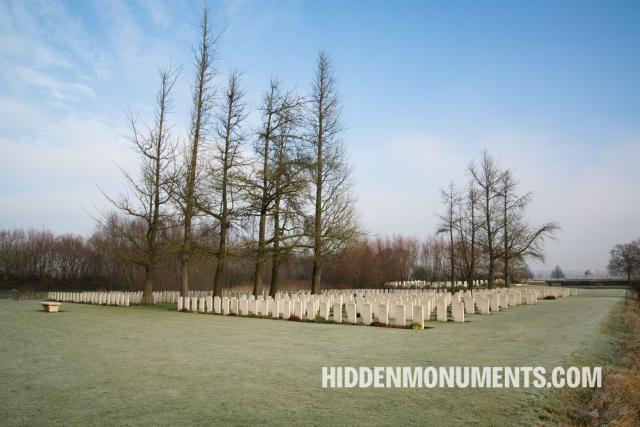
Once a country house set in lush parkland just outside Ypres, Bedford House was blown to bits during the First World War. The ruins were then used as a field hospital and brigade headquarters, among other things.
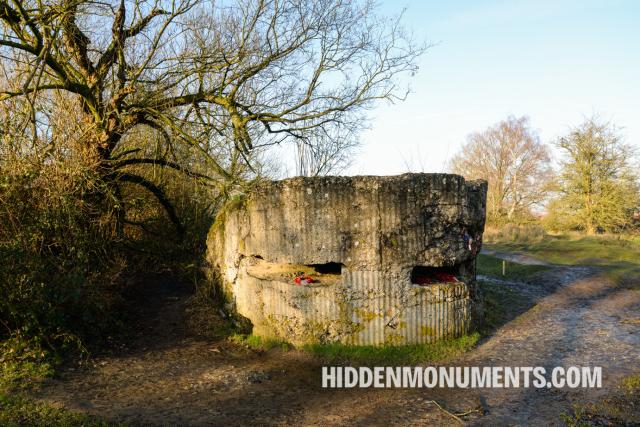
During the excavation work for the railway construction between Ypres and Kortrijk in 1854, a sixty-metre-high hill was created.
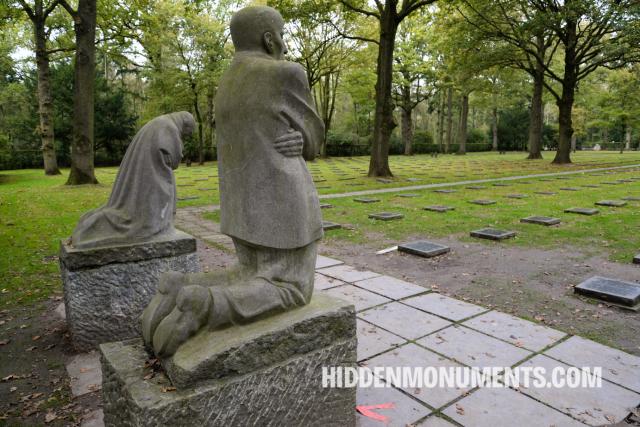
German soldier Peter Kollwitz was not yet 18 years old when he was killed on 23 October 1914 while attempting to cross the Yser near Diksmuide.

Langemark in Belgium has the dubious honor of being the place where chemical warfare made its debut: on April 22, 1915, German soldiers opened gas bottles from which 180 tons of chlorine gas hissed away. At least a thousand soldiers died in a blind panic.
Get the latest stories straight to your inbox
Latest from the blog

On the occasion of International Art Nouveau Day, celebrated each year on June 10, a look at how this ornate architectural movement found its way into the most unlikely of places like coal mines, power stations, and railway yards and the long, sometimes heartbreaking battles to save what remains.
All photos and stories are copyrighted. Of course, linking to articles on the site is possible and allowed.
If you would like to use photos or articles from this website, please contact bart@hiddenmonuments.com.
© 2003-2026 Hiddenmonuments.com