
Hauts-de-France
After the First World War, the German army left dozens of bunkers behind in the French Illies, a village about 20 kilometers west of Lille.
Explore the intriguing world of dark tourism in Europe, where history's shadows come alive. Visit sites of battles, tragedies, and mysteries, each telling a unique story of the past. Uncover the allure of exploring Europe's darker side, from haunting ruins to historic battlegrounds.
After the First World War, the German army left dozens of bunkers behind in the French Illies, a village about 20 kilometers west of Lille.

The Eede-Aardenburg air watchtower is one of the 276 lookout posts built in the Netherlands during the Cold War.
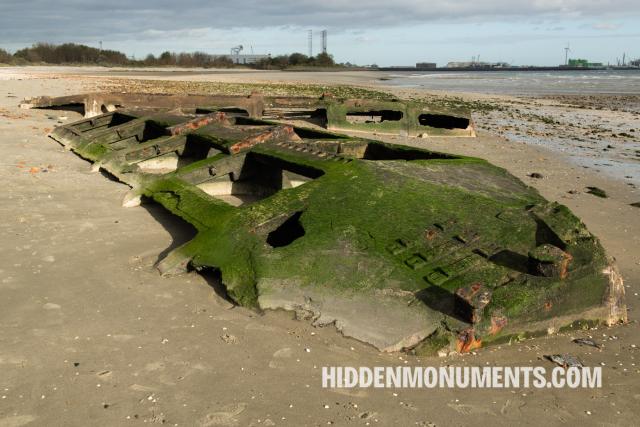
At the beginning of October 1944, the British Air Force bombed the sea dike at Ritthem in the Netherlands. The aim was to flood Walcheren and force away the German army.
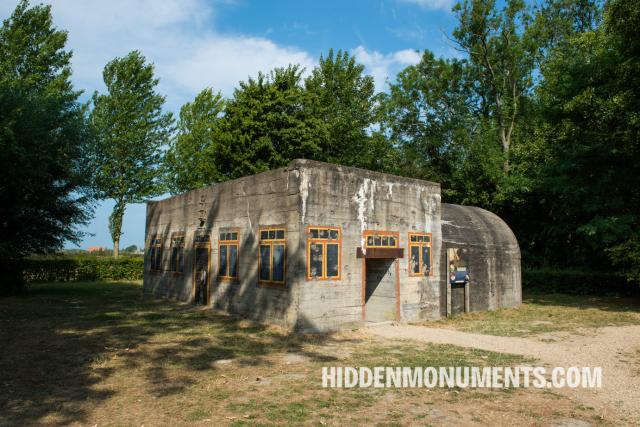
The German army spared no expense to make the eleven bunkers of Stützpunkt Groede resemble a cosy Dutch village.

On the left bank of the Scheldt in Fresnes-sur-Escaut in Northern France, this centuries-old fire engine building bears witness to the ceaseless struggle of miners and engineers against the groundwater in the underground galleries.


In 1938, the Organization Todt, the construction company of the German Third Reich, began constructing the West Wall (or Siegfried Line), a German defence line from the Netherlands to the Swiss border.
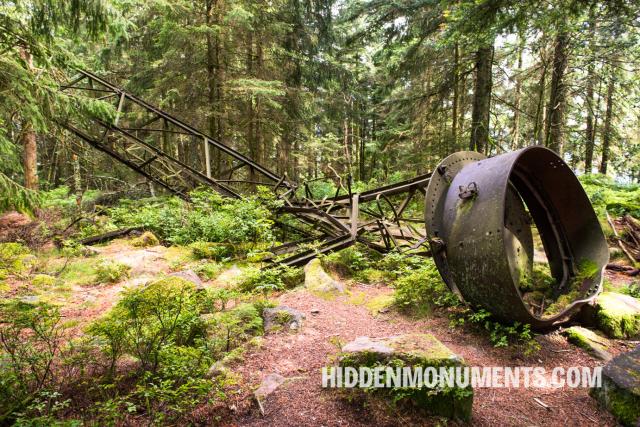
At the end of the First World War, the French Army built an observation tower to monitor potential movements of the German forces.

In 1926, the French Ministry of Defense unveiled plans to fortify the country's eastern borders against possible surprise attacks, such as during the Franco-Prussian War in 1870.
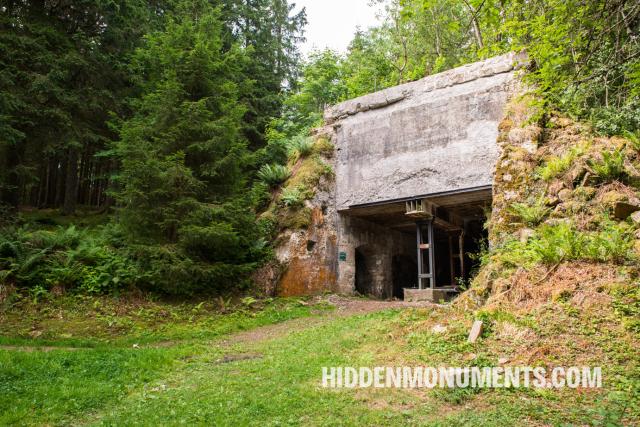
Tête des Faux is a 1208-meter-high mountain in the French Vosges, and its large stature also explains the strategic role it played during the First World War.
Get the latest stories straight to your inbox
Latest from the blog

On the occasion of International Art Nouveau Day, celebrated each year on June 10, a look at how this ornate architectural movement found its way into the most unlikely of places like coal mines, power stations, and railway yards and the long, sometimes heartbreaking battles to save what remains.
All photos and stories are copyrighted. Of course, linking to articles on the site is possible and allowed.
If you would like to use photos or articles from this website, please contact bart@hiddenmonuments.com.
© 2003-2026 Hiddenmonuments.com