
Zeeland
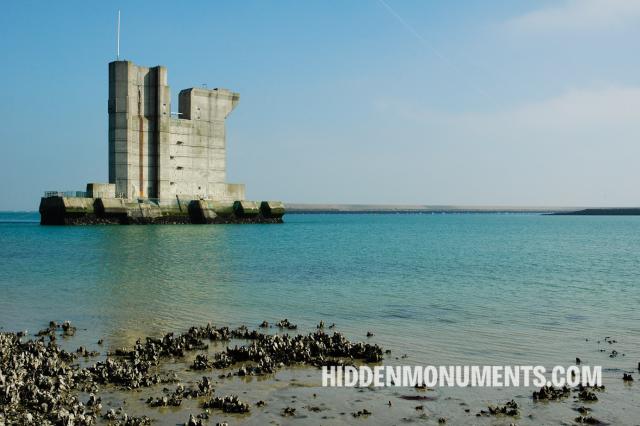
The Western Scheldt, the gateway to the port of Antwerp, played an essential role during World War II.
Explore the Netherlands beyond the tulips and windmills to discover hidden gems and secret spots.
The Western Scheldt, the gateway to the port of Antwerp, played an essential role during World War II.

On the night of 18-19 January 1923, the Dutch East Indies (today's Indonesia) caught the first test signals from the Dutch broadcasting station Kootwijk, over 12,000 kilometres away. It was a miracle of technology—or was it?

In the shadow of Drunen's medieval castle, ‘Het Land van Ooit’ opened in 1989, a leisure park in which knights and counts played the leading role.

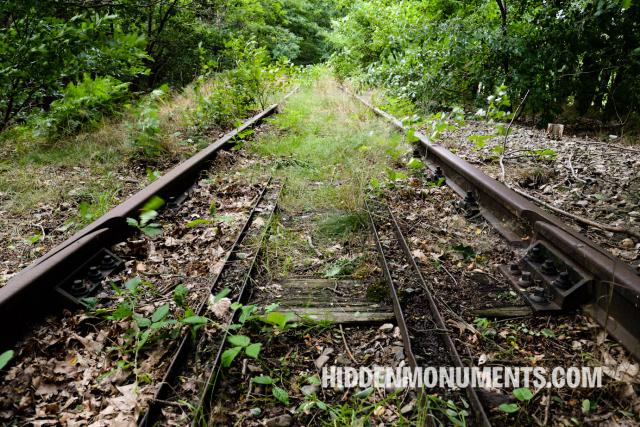
No expense was spared in building the more than 46-kilometre-long railway line between the Dutch town of Lage Zwaluwe and Hertogenbosch. Thus, in the 1880s, the construction of a spacious railway bridge above the Bossche inundation field began.

In the 1950s, anyone who wanted to cross the Upper Merwede had to rely on a ferry service. This was not very convenient in emergencies.

In the spring of 1956, Dutch Queen Juliana set the world's largest radio telescope in motion in the Dutch village of Dwingeloo with a simple push of a button.
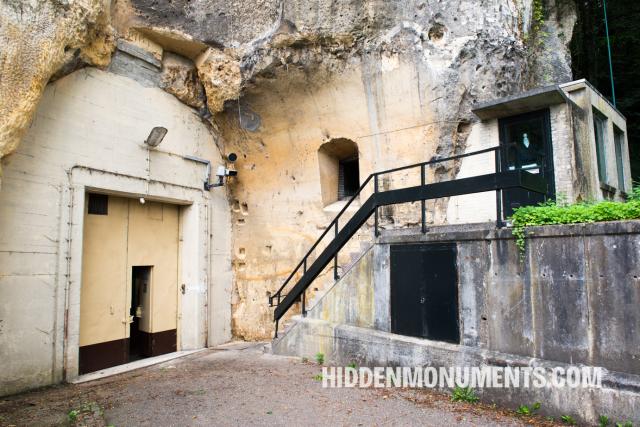
An ultra-secret NATO command centre was hidden in the belly of Cannerberg during the Cold War.
Get the latest stories straight to your inbox
Latest from the blog

On the occasion of International Art Nouveau Day, celebrated each year on June 10, a look at how this ornate architectural movement found its way into the most unlikely of places like coal mines, power stations, and railway yards and the long, sometimes heartbreaking battles to save what remains.
All photos and stories are copyrighted. Of course, linking to articles on the site is possible and allowed.
If you would like to use photos or articles from this website, please contact bart@hiddenmonuments.com.
© 2003-2026 Hiddenmonuments.com