
Zeeland
Anyone walking through the dunes between Groot- and Klein Valkenisse on Walcheren will come across a remarkable sight: long rows of pyramid-shaped concrete blocks shooting up out of the sand.
The German army built a defense line along Europe's beaches from 1942 onwards to discourage an Allied attack: the Atlantikwall. Defending Europe's coasts was a daunting task. From Norway through Denmark, Germany, the Netherlands, Belgium and France, the coastline measured almost five thousand kilometers. The German army, therefore, concentrated on the most likely places for an Allied invasion: Normandy and Calais.
Anyone walking through the dunes between Groot- and Klein Valkenisse on Walcheren will come across a remarkable sight: long rows of pyramid-shaped concrete blocks shooting up out of the sand.

In a quiet little park just north of Vlissingen, the Netherlands, you'll stumble upon the concrete remains of a German anti-aircraft battery from the Second World War.

During the Second World War, the historic naval harbour of Hellevoetsluis in South Holland grew into an essential stronghold within the Atlantic Wall, the 5,000-kilometre-long coastal defence system of Nazi Germany.

As if the Atlantic Wall defensive strongholds in the Ostend dunes were not enough, Nazi Germany erected a second line of defence in the hinterland.
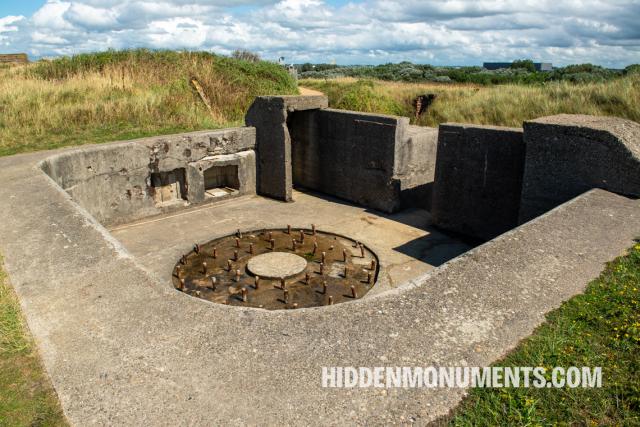
The dunes of Raversijde, a seaside resort west of East, are home to not one but two German bunker complexes.
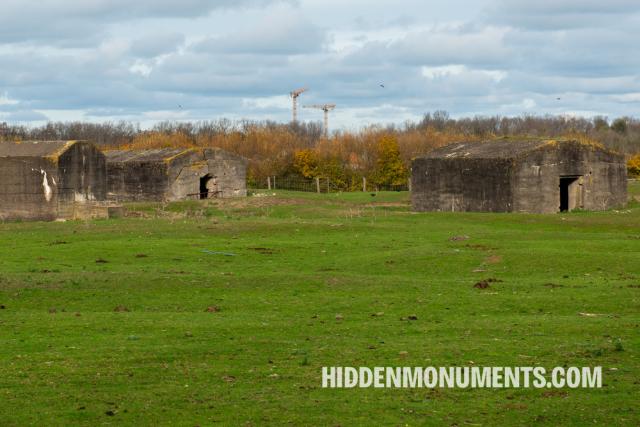
Anyone entering Nieuwpoort via Kinderlaan will come across the remains of the World War II German Widerstandsnest Karthauserdünen.

The Atlantic Wall, Nazi Germany's World War II defence line, stretched over 4,000 kilometres from the North Cape to the most south-westerly tip of France, namely Hendaye.

The Western Scheldt, the gateway to the port of Antwerp, played an essential role during World War II.
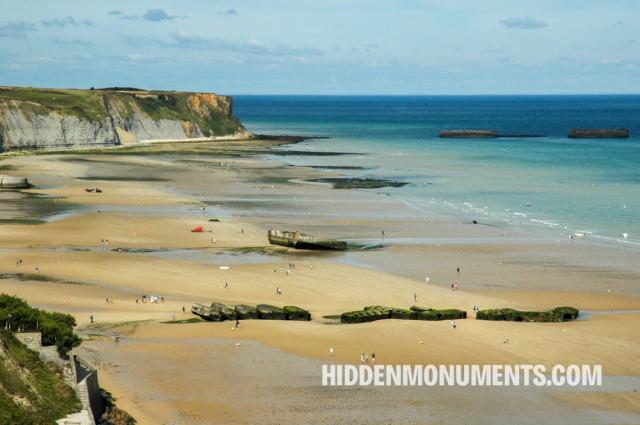
Massive concrete colossi lie half-buried in the sand on the French beach of Arromanches: silent witnesses to the day history was written in Normandy.
Get the latest stories straight to your inbox
Latest from the blog

On the occasion of International Art Nouveau Day, celebrated each year on June 10, a look at how this ornate architectural movement found its way into the most unlikely of places like coal mines, power stations, and railway yards and the long, sometimes heartbreaking battles to save what remains.
All photos and stories are copyrighted. Of course, linking to articles on the site is possible and allowed.
If you would like to use photos or articles from this website, please contact bart@hiddenmonuments.com.
© 2003-2026 Hiddenmonuments.com