
The Netherlands
In the early 1960s, a brutalist observatory rose from the ground on an expansive polder in Utrecht. From March 1964 onwards, students and astronomers could climb the so-called Star Tower to gaze at the sky.
In the early 1960s, a brutalist observatory rose from the ground on an expansive polder in Utrecht. From March 1964 onwards, students and astronomers could climb the so-called Star Tower to gaze at the sky.

In the spring of 1956, Dutch Queen Juliana set the world's largest radio telescope in motion in the Dutch village of Dwingeloo with a simple push of a button.
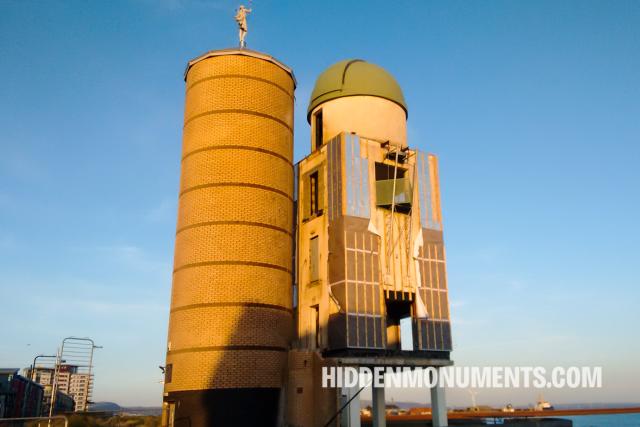
Wales' largest optical telescope has been on Swansea's coastline since the 1990s. But when the municipality increased the rent, the Swansea Astronomical Society cut and ran.
Get the latest stories straight to your inbox
Latest from the blog

On the occasion of International Art Nouveau Day, celebrated each year on June 10, a look at how this ornate architectural movement found its way into the most unlikely of places like coal mines, power stations, and railway yards and the long, sometimes heartbreaking battles to save what remains.
All photos and stories are copyrighted. Of course, linking to articles on the site is possible and allowed.
If you would like to use photos or articles from this website, please contact bart@hiddenmonuments.com.
© 2003-2026 Hiddenmonuments.com