
Nordrhein-Westfalen
This 240-meter-long and 12-meter-high massive block of concrete once formed the storehouse with ores and coal for the Schalker Verein steel factory.
The Route der Industriekultur (Route of Industrial Heritage) is a fascinating network of landmarks in Germany's Ruhr region, celebrating its rich industrial history. Spanning over 400 kilometres, the route links mines, steelworks, factories, and museums transformed into cultural and recreational spaces. Key attractions include the Zollverein Coal Mine Industrial Complex, a UNESCO World Heritage Site, and the Gasometer Oberhausen, now an exhibition hall. Visitors can explore industrial architecture, learn about the region's role in shaping modern Europe, and enjoy scenic parks and bike trails that blend history with natural beauty.
This 240-meter-long and 12-meter-high massive block of concrete once formed the storehouse with ores and coal for the Schalker Verein steel factory.

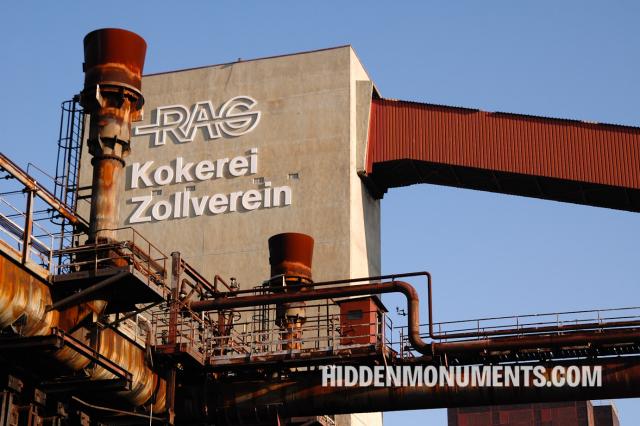
In 1993, the Kokerei Zollverein coking plant was at the end of its rope: the steel crisis of the 1990s caused the demand for coke to melt away.

In the 19th century, the tentacles of the Walloon coal industry in Belgium reached deep into the German Ruhr area.

Three striking headframes from three different eras stand in the German Ewald coal mine, which closed its doors in 2000.

The iron headframe above the Pluto-Wilhelm mine in the German Ruhr area immediately evokes the Zollverein headframe in Essen, which has been declared a World Heritage Site. This counterpart is threatened with demolition.

Years of coal mining in Zeche Hugo in Gelsenkirchen, Germany, have left behind a one-hundred-and-fifteen-meter-high slag heap, the Halde Rungenberg.


With its three coal mines, the German city of Herten was, for a long time, the largest mining city in Europe. Schlägel Eisen is one of the mines that can still be found there.

In 1847, the coal and steel industry in the German Ruhr area reached cruising speed as industrialist Franz Haniel erected a coal mine in Essen.
Get the latest stories straight to your inbox
Latest from the blog

On the occasion of International Art Nouveau Day, celebrated each year on June 10, a look at how this ornate architectural movement found its way into the most unlikely of places like coal mines, power stations, and railway yards and the long, sometimes heartbreaking battles to save what remains.
All photos and stories are copyrighted. Of course, linking to articles on the site is possible and allowed.
If you would like to use photos or articles from this website, please contact bart@hiddenmonuments.com.
© 2003-2026 Hiddenmonuments.com