
Hauts-de-France
Fosse Mathilde is one of the oldest preserved mining buildings in the northern French mining basin. The brick complex was built in 1831. The Compagnie des Mines d'Anzin mined coal there until 1862.
Explore over 600 destinations previously published in the archive. Premium members unlock the full story for each destination, GPS coordinates, addresses, heritage maps, and tips for legal visits.
Fosse Mathilde is one of the oldest preserved mining buildings in the northern French mining basin. The brick complex was built in 1831. The Compagnie des Mines d'Anzin mined coal there until 1862.

The Schengen Agreement has allowed free movement of people within the European Union since 1992. As internal borders disappeared, customs posts along the border became utterly useless.

A monumental memorial was erected in 1938 on the bank of the Yser in Nieuwpoort in honour of Belgian King Albert I.
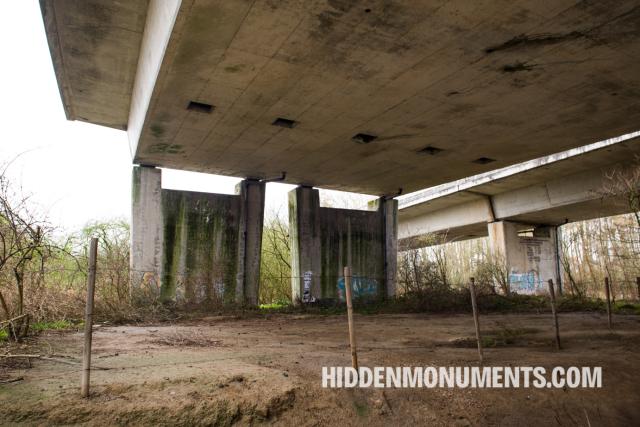
The ring road R8 around the Belgian town of Kortrijk has been awaiting completion for decades. Construction of this ring road around the city began more than 50 years ago, in 1973.

Verviers, the Belgian capital of the wool industry, had dozens of spinning mills, weaving mills, bleaching mills, cloth manufacturers and so-called conditioning buildings, the first stop for the wool delivered to the city.

A 180-year-old tunnel still recalls the Verviers-West head-end station on the railway line between Liège and the border with the German city of Aachen.

Mobile anti-tank barriers, known as Cointet elements, formed the backbone of the Belgian KW line erected in 1939 to prevent a German invasion.

The Wiedauwkaai bridge over the canal-Terneuzen is a swing bridge that allows passenger traffic over the railway line between Ghent and Eeklo and freight transport towards the Kluizendok.
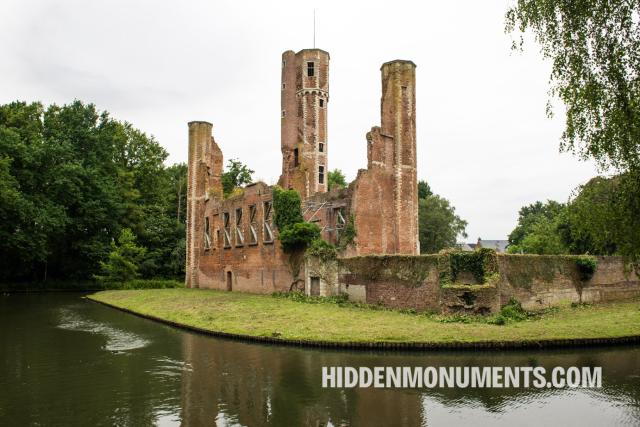
The Norbertines of Tongerlo Abbey erected a moated castle on the site where noble lords and ladies had resided since 1271.

Today, three historic shipyards along the Scheldt in Baasrode host the Provincial Heritage Site Shipyards Baasrode. The vast industrial heritage site tells the story of the rise and fall of shipbuilders along the Scheldt.
Get the latest stories straight to your inbox
Latest from the blog

On the occasion of International Art Nouveau Day, celebrated each year on June 10, a look at how this ornate architectural movement found its way into the most unlikely of places like coal mines, power stations, and railway yards and the long, sometimes heartbreaking battles to save what remains.
All photos and stories are copyrighted. Of course, linking to articles on the site is possible and allowed.
If you would like to use photos or articles from this website, please contact bart@hiddenmonuments.com.
© 2003-2026 Hiddenmonuments.com