
Antwerp
At the end of the 18th century, the Belgian Rupel region counted more than hundreds of brickworks. However, the rise of concrete and mechanization heralded the end of the brick industry in the 1960s.
Explore over 600 destinations previously published in the archive. Premium members unlock the full story for each destination, GPS coordinates, addresses, heritage maps, and tips for legal visits.
At the end of the 18th century, the Belgian Rupel region counted more than hundreds of brickworks. However, the rise of concrete and mechanization heralded the end of the brick industry in the 1960s.

A tangle of railways ran through the Limburg coal region, transporting millions of tons of coal to ports and blast furnaces. The coal wagons have disappeared, but old stations and tracks remind us of the busy traffic of yesteryear.

After a century, a concrete gun emplacement is all that remains of "Lange Max," the Germans' giant cannon used during the First World War.
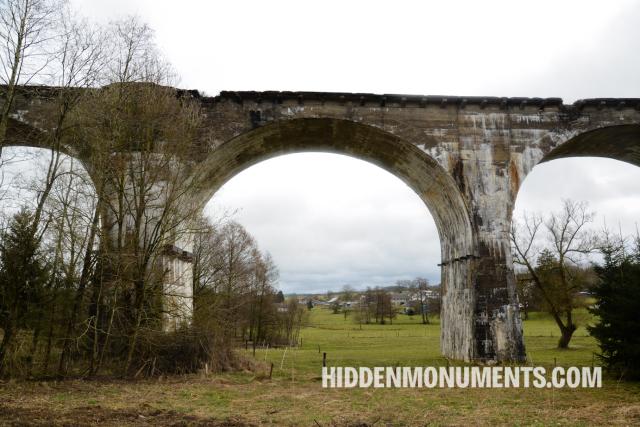
In 1916, the German army constructed a 285-metre-long viaduct in the village of Born in just eight months.
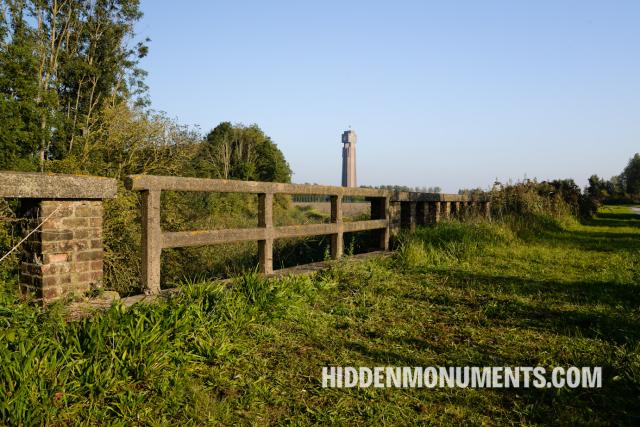
The Frontzate, the former railway line 74 connecting Diksmuide with Nieuwpoort, suddenly played a leading role as a front line during the First World War.

The park of Lede in East Flanders has been the base of the Lords of Lede since 1200. They had a spacious castle built there and were promoted in 1633 when they were given the title of marquis.

Over a century ago, in 1917, the coal mine of Winterslag was the first Kempen mine to open its gates.

On August 8, 1956, disaster struck the Bois du Cazier mine in Charleroi, Belgium. A fire broke out hundreds of meters underground, killing 262 miners.
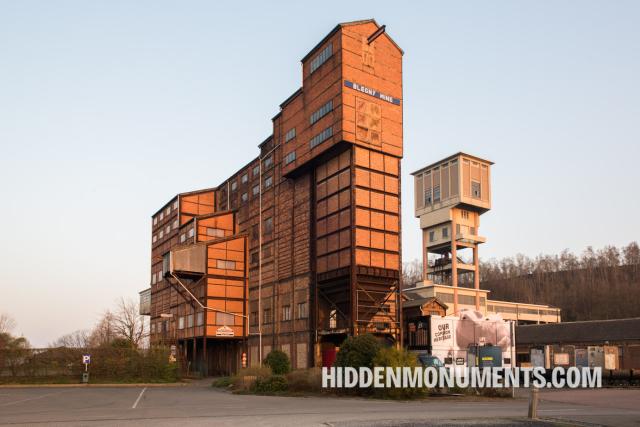
The Argenteau-Trembleur mine in Blegny is the last bastion of the Liège coal industry. In 1980, It closed its gates for the third time permanently.

The Wielemans brothers founded a brewery on a swampy meadow in Vorst in 1879. Their barley drink was so popular that their complex spread like an oil slick.
Get the latest stories straight to your inbox
Latest from the blog

On the occasion of International Art Nouveau Day, celebrated each year on June 10, a look at how this ornate architectural movement found its way into the most unlikely of places like coal mines, power stations, and railway yards and the long, sometimes heartbreaking battles to save what remains.
All photos and stories are copyrighted. Of course, linking to articles on the site is possible and allowed.
If you would like to use photos or articles from this website, please contact bart@hiddenmonuments.com.
© 2003-2026 Hiddenmonuments.com