West Flanders
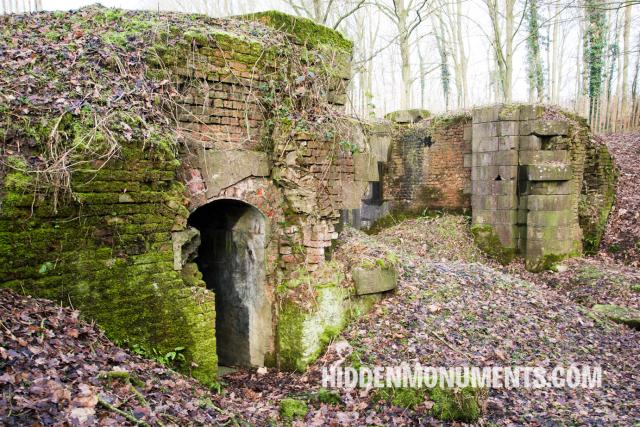
Excavation works of the Ypres-Comines canal started in 1864. The canal would realize a connection between the Yser River and the Leie River. However, landslides at the ridge in Hollebeke soon threw a spanner in the works.
Explore over 600 destinations previously published in the archive. Premium members unlock the full story for each destination, GPS coordinates, addresses, heritage maps, and tips for legal visits.
Excavation works of the Ypres-Comines canal started in 1864. The canal would realize a connection between the Yser River and the Leie River. However, landslides at the ridge in Hollebeke soon threw a spanner in the works.

From December 1878 to October 1880, Dutch painter Vincent Van Gogh stayed in the Belgian mining region of the Borinage.
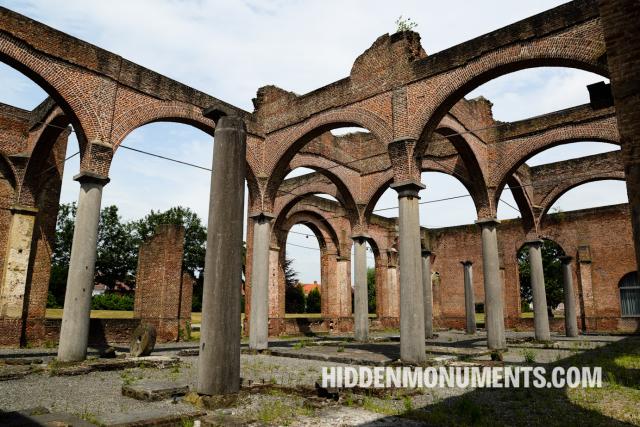
In 1810, industrialist Henri De Gorge bought the Grand-Hornu coal mine in the Borinage, a famous mining region in Belgium.

Since 1876, coal has been transported from the Bernissart mines via Blaton via the 4-kilometre-long railway line 80/78A.

At the end of the eighteenth century, this brick building in Bernissart, Belgium, was built to house a new gadget: Thomas Newcomen's atmospheric engine.

"Bien travailler, bien s'amuser" (in English: Work hard, play hard) is the motto on the facade of the banquet hall of the Fauquez glass factory.

Between 1921 and 1981, 1,750 patients of the nearby Psychiatric Hospital found their final resting place in a cemetery deep in the woods of Rekem, Belgium.

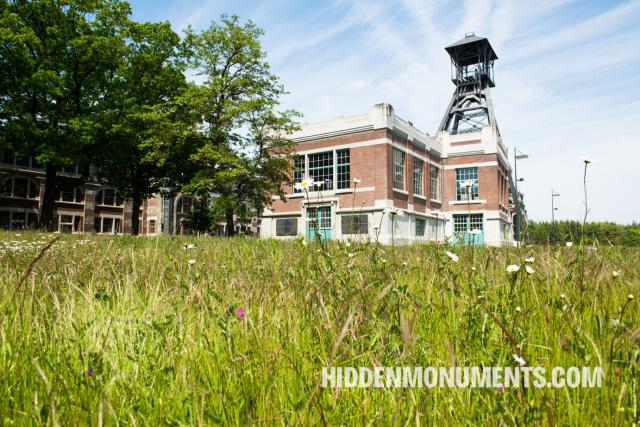
The "Charbonnages André Dumont-sous Asch" is the full name of the Waterschei mine—a tribute to Professor Dumont, the geologist who discovered the coal layers in As.

Ostend is a lot more than sand, sea and sun. Two wooden slipways, built in the United States and installed in 1931 in Oostend, are floating on the Oosteroever.
Get the latest stories straight to your inbox
Latest from the blog

On the occasion of International Art Nouveau Day, celebrated each year on June 10, a look at how this ornate architectural movement found its way into the most unlikely of places like coal mines, power stations, and railway yards and the long, sometimes heartbreaking battles to save what remains.
All photos and stories are copyrighted. Of course, linking to articles on the site is possible and allowed.
If you would like to use photos or articles from this website, please contact bart@hiddenmonuments.com.
© 2003-2026 Hiddenmonuments.com