
Berlin
With the construction of a turbine factory for AEG in Berlin, architect Peter Behrens did away with the battlements, brick facades and turrets that had characterized industrial architecture until then.
Explore over 600 destinations previously published in the archive. Premium members unlock the full story for each destination, GPS coordinates, addresses, heritage maps, and tips for legal visits.

The Ypres water tower has dominated the landscape for almost a hundred years. It dates from the period of reconstruction after the devastating First World War.

During the First World War, the German army erected a high-voltage barrier of over three hundred kilometres from Knokke to the Three-Country Point near Aachen: the Wire of Death.

In 2005, the concrete launch pad of a German V1 launch base from the Second World War was found in the Vrijbos in Houthulst.

Fewer traffic jams and fewer trucks through the centre. There was no shortage of noble intentions when the mayor of a Walloon municipality unveiled plans at the beginning of this century to construct a new, three-kilometre-long bypass between the motorway entrance and exit complex and the industrial park.

Blue ventilation pipes protrude like cannon barrels from the former Research Facility for Experimental Medicine in Berlin, an example of concrete-dominated brutalism.
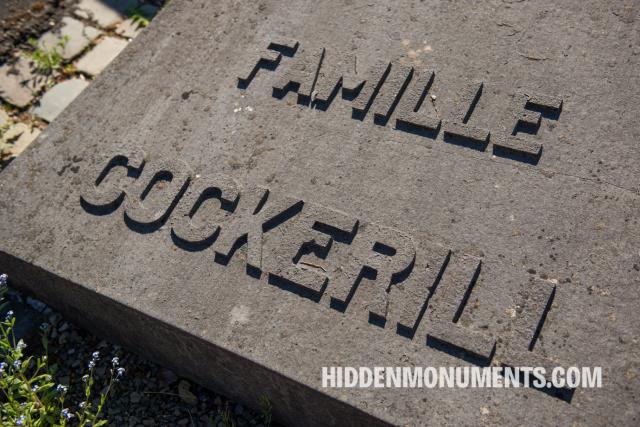
The Cockerill family's tomb in the Spa cemetery pales into insignificance compared to the monument that adorned the family grave for a century.

Umlauftank 2 (UT2) is a research facility of the Technical University of Berlin that tests ship hydrodynamics, among other things.

In 2001, European leaders of state and government gathered in the royal castle of Laeken. With their meeting, King Leopold II's hundred-year-old dream became a reality: to turn Laeken into a Palace of Nations, home to international conferences.

Half a century ago, the Belgian Ministry of Public Works rolled up its sleeves to build an industrial road between a factory and a nearby freight station in Hainaut.
Get the latest stories straight to your inbox
Latest from the blog

On the occasion of International Art Nouveau Day, celebrated each year on June 10, a look at how this ornate architectural movement found its way into the most unlikely of places like coal mines, power stations, and railway yards and the long, sometimes heartbreaking battles to save what remains.
All photos and stories are copyrighted. Of course, linking to articles on the site is possible and allowed.
If you would like to use photos or articles from this website, please contact bart@hiddenmonuments.com.
© 2003-2026 Hiddenmonuments.com