Berlin
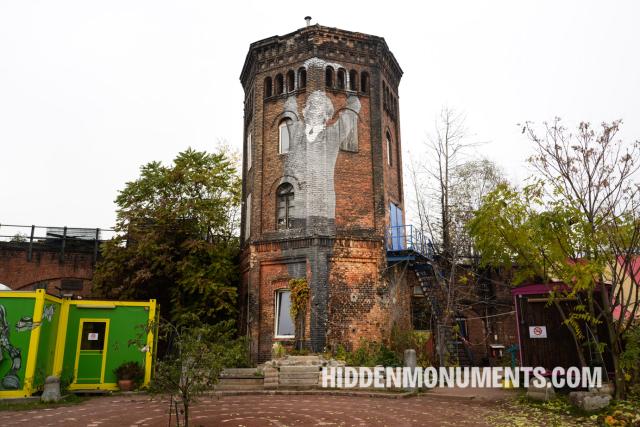
A stone's throw from Ostbahnhof station in the German capital, Berlin, you will come across this brick water tower from 1880.
Explore over 600 destinations previously published in the archive. Premium members unlock the full story for each destination, GPS coordinates, addresses, heritage maps, and tips for legal visits.
A stone's throw from Ostbahnhof station in the German capital, Berlin, you will come across this brick water tower from 1880.


The most original form of public transport can be found in the German city of Wuppertal. The Schwebebahn has been floating above the Wupper River for over a hundred years.

A 941-meter-long aqueduct stretches across the Alcântara Valley in the Portuguese capital, Lisbon.

One of the dunes of Blériot-Plage, west of Calais, was crowned with a command post in the autumn of 1943. The coastal batteries of Waldam, Oldenburg, Bastion II, Fort Lapin, Sangatte and Lindemann were controlled from here.

During the Second World War, the Germans built an observation bunker between Zuydcoote and Leffrinckoucke on top of the dunes.

Like the capital, Berlin, the German port city of Hamburg was fortified with two concrete Flak Towers ('Flaktürme' in German) between 1942 and 1944.
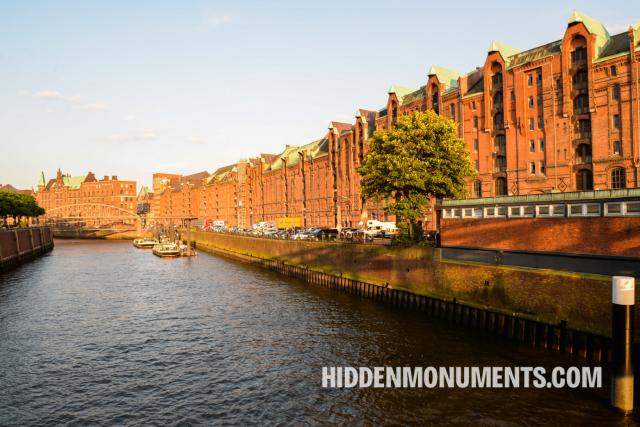
In the German port city of Hamburg, a complex of neo-Gothic brick warehouses, the Speicherstadt, was built on islands in the Elbe between 1883 and 1927.

With the closure of the Saint-Quentin headframe in 1971, slate mining in Rimogne, France, ended.

On the night of April 25 to 26, 1940, the British Royal Air Force bombed the German capital Berlin. For Nazi leader Adolf Hitler, it was unpalatable to have bombs hit the capital of his Third Reich.
Get the latest stories straight to your inbox
Latest from the blog

On the occasion of International Art Nouveau Day, celebrated each year on June 10, a look at how this ornate architectural movement found its way into the most unlikely of places like coal mines, power stations, and railway yards and the long, sometimes heartbreaking battles to save what remains.
All photos and stories are copyrighted. Of course, linking to articles on the site is possible and allowed.
If you would like to use photos or articles from this website, please contact bart@hiddenmonuments.com.
© 2003-2026 Hiddenmonuments.com