
Belgian coast
The Spuikom in Ostend became a military air base during the First World War. In early 1917, the German army built the Seeflugstation Flandern II to defend the port of Ostend against English attacks.
Venture beyond the beaten path with our curated list of Belgium's hidden gems. From hauntingly beautiful abandoned sites to the whispers of history, this is the ultimate guide for photography lovers and history enthusiasts seeking the extraordinary. Start your unique journey now.
The Spuikom in Ostend became a military air base during the First World War. In early 1917, the German army built the Seeflugstation Flandern II to defend the port of Ostend against English attacks.
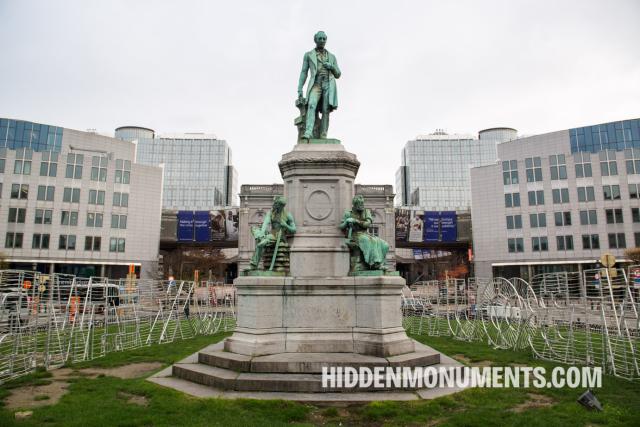
On the Luxemburgplein in Ixelles, you will come across the John Cockerill Monument. In 1872, a year after his statue was unveiled in Seraing, Willem Rau, Cockerill's loyal right-hand man, took the initiative to donate a statue to Brussels.


In the early twentieth century, a tunnel more than 140 meters long was excavated right through the rock on which the castle ruins of the Counts of Dalhem rest to construct local tramway line 466 between Liège and 's-Gravenvelden.

The Bijgaardehof, the former place where monks of St. Bavo's Abbey grew bees during the Middle Ages, was buried under the buildings of the Baertsoen-Buysse spinning mill at the end of the nineteenth century.

The Borinage must once have had the densest railway network in the world, and that was due to the large concentration of coal mines in the region.

European heritage organization Europa Nostra has added the ruins of Charles of Lorraine's Palace in Mariemont to its shortlist of most endangered monuments in 2023.
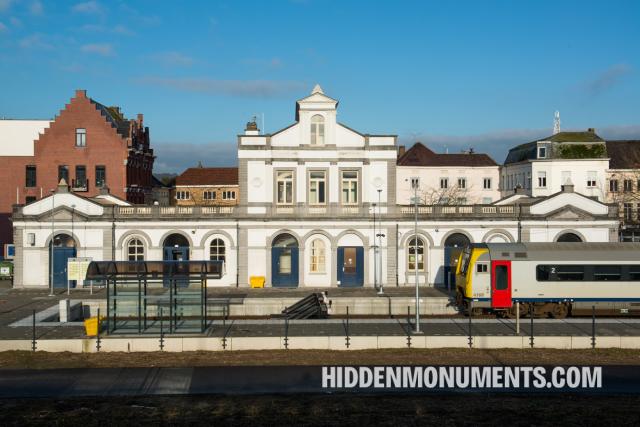
The Belgian Ronse station is today the terminus for trains from Ghent, but until the mid-twentieth century, it was a junction of four different railway lines.

One hundred years ago, the last train stopped at the prestigious "Château Royal d'Ardenne" train station. But what did the travellers look for in Belgian Little Switzerland?

The Belgian National Company of Light Railways was created in 1885 to establish a widespread network of local tramways outside cities and in rural areas. The tram network only reached this remote corner of the country near the French border in 1935.
Get the latest stories straight to your inbox
Latest from the blog

On the occasion of International Art Nouveau Day, celebrated each year on June 10, a look at how this ornate architectural movement found its way into the most unlikely of places like coal mines, power stations, and railway yards and the long, sometimes heartbreaking battles to save what remains.
All photos and stories are copyrighted. Of course, linking to articles on the site is possible and allowed.
If you would like to use photos or articles from this website, please contact bart@hiddenmonuments.com.
© 2003-2026 Hiddenmonuments.com