
Brussels
A wooden door surmounted by the Belgian coat of arms and the slogan 'L'Union fait la Force' conceals the royal salon, a separate waiting area for the king in Brussels Central Station.
Venture beyond the beaten path with our curated list of Belgium's hidden gems. From hauntingly beautiful abandoned sites to the whispers of history, this is the ultimate guide for photography lovers and history enthusiasts seeking the extraordinary. Start your unique journey now.
A wooden door surmounted by the Belgian coat of arms and the slogan 'L'Union fait la Force' conceals the royal salon, a separate waiting area for the king in Brussels Central Station.
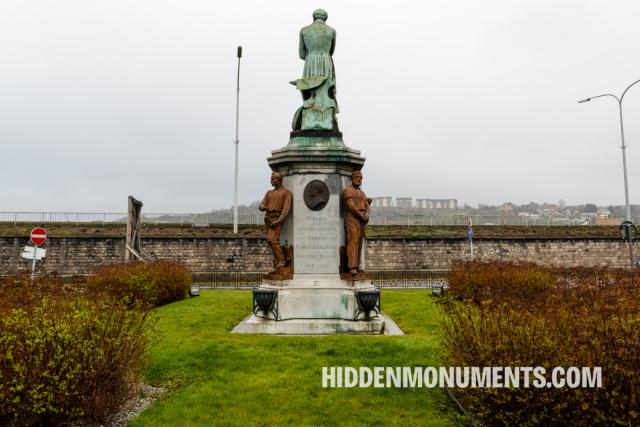
John Cockerill (and the rest of his family) propelled Belgium, the Netherlands, Prussia and France into the era of the Industrial Revolution in the early 19th century. A few decades after Cockerill's death, a monument honoring the 'father of the workers' was unveiled in the streets of Seraing.
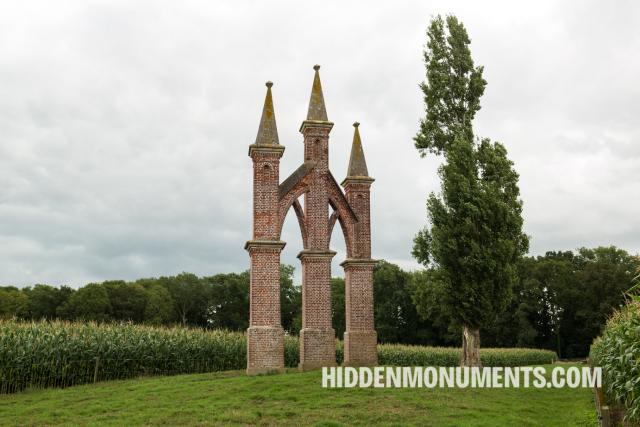
A century and a half ago, a neo-Gothic arcade, popularly known as 'the Galge' ('the gallows') sprung up in the middle of meadows and corn fields.
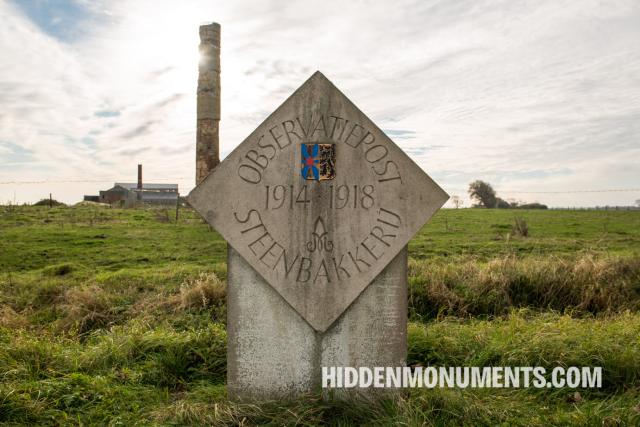
In 1905, a brickworks arose in Rampskapelle near the Belgian coastal town Nieuwpoort. Four years later, it became the property of Céramiques et Briqueteries Mécaniques du Littoral.

The former Morlanwelz orphanage is only a shadow of its former self. However, in the early twentieth century, it was the social showcase of the liberal philanthropist Raoul Warocqué.

During the First World War, the German army erected a high-voltage barrier of over three hundred kilometres from Knokke to the Three-Country Point near Aachen: the Wire of Death.

In 2005, the concrete launch pad of a German V1 launch base from the Second World War was found in the Vrijbos in Houthulst.

Fewer traffic jams and fewer trucks through the centre. There was no shortage of noble intentions when the mayor of a Walloon municipality unveiled plans at the beginning of this century to construct a new, three-kilometre-long bypass between the motorway entrance and exit complex and the industrial park.
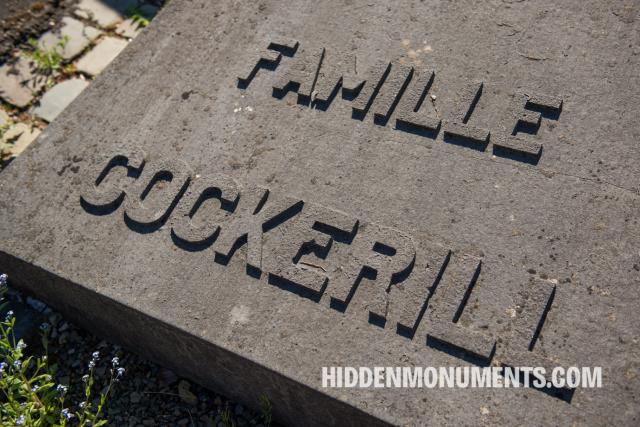
The Cockerill family's tomb in the Spa cemetery pales into insignificance compared to the monument that adorned the family grave for a century.

In 2001, European leaders of state and government gathered in the royal castle of Laeken. With their meeting, King Leopold II's hundred-year-old dream became a reality: to turn Laeken into a Palace of Nations, home to international conferences.
Get the latest stories straight to your inbox
Latest from the blog

On the occasion of International Art Nouveau Day, celebrated each year on June 10, a look at how this ornate architectural movement found its way into the most unlikely of places like coal mines, power stations, and railway yards and the long, sometimes heartbreaking battles to save what remains.
All photos and stories are copyrighted. Of course, linking to articles on the site is possible and allowed.
If you would like to use photos or articles from this website, please contact bart@hiddenmonuments.com.
© 2003-2026 Hiddenmonuments.com