
Limburg
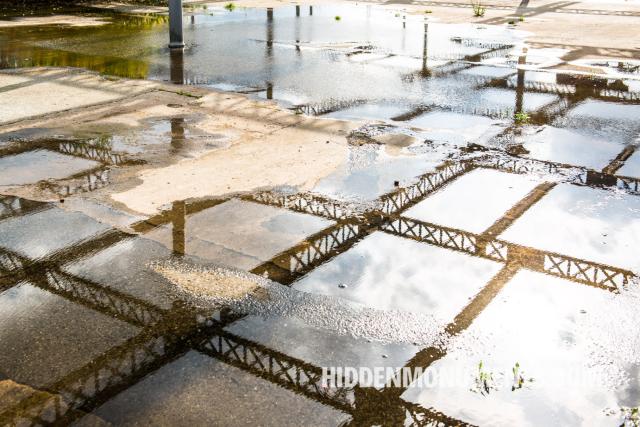
To export the millions of tons of coal produced in one of the seven Limburg mines, a coal railway line zigzagged from one coal mine to another.
Venture beyond the beaten path with our curated list of Belgium's hidden gems. From hauntingly beautiful abandoned sites to the whispers of history, this is the ultimate guide for photography lovers and history enthusiasts seeking the extraordinary. Start your unique journey now.
To export the millions of tons of coal produced in one of the seven Limburg mines, a coal railway line zigzagged from one coal mine to another.
Spinning mills, weaving mills, dyers and twisting mills: in the Belgian town of Ronse, you stumble over the remains of the textile past.

A military railway line, a dilapidated monument and an anti-tank trenches surround the ruins of the Brasschaat fortress.

Between 1885 and 1892, a new port project rose from the ground along the Ghent-Terneuzen canal. Ghent's chief engineer and later mayor, Emile Braun, designed the harbour sheds.


A blue harbour crane dominates Dock North. Built in 1973 by Boom Metalworks, it was the last crane installed at the Handelsdok.

Flannel sheets, cotton pyjamas and shirts from textile company De Porre flew to all corners of the world, ending up in chic boutiques because De Porre guaranteed high quality cotton.

In the valley of the River Thyle, a group of monks came together in 1146 to build the Villers Abbey.


The Waasland was once a hotbed of shipyards. However, the last active shipyard, the Chantier Naval de Rupelmonde, closed its doors in 1996.
Get the latest stories straight to your inbox
Latest from the blog

On the occasion of International Art Nouveau Day, celebrated each year on June 10, a look at how this ornate architectural movement found its way into the most unlikely of places like coal mines, power stations, and railway yards and the long, sometimes heartbreaking battles to save what remains.
All photos and stories are copyrighted. Of course, linking to articles on the site is possible and allowed.
If you would like to use photos or articles from this website, please contact bart@hiddenmonuments.com.
© 2003-2026 Hiddenmonuments.com