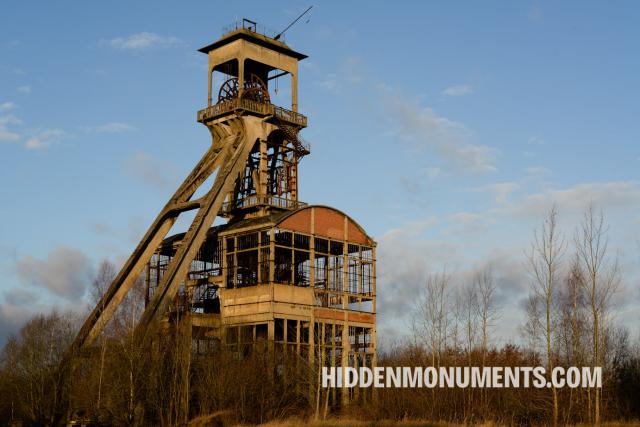
Limburg
The Eisden coal mine extracted coal from the Limburg subsurface from 1923 onwards.
In the French coal basin of Nord-pas-de-Calais, Germany's Ruhr and Saarland, England, Wales, and Belgium, coal was brought to the surface in hundreds of coal mines for many years. Today, coal mines have become heritage sites or have been demolished.
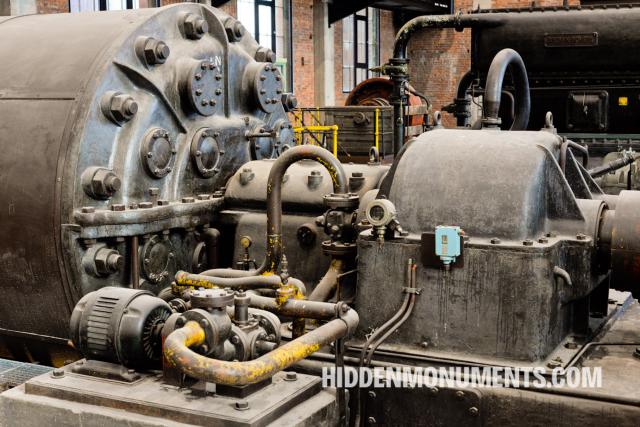
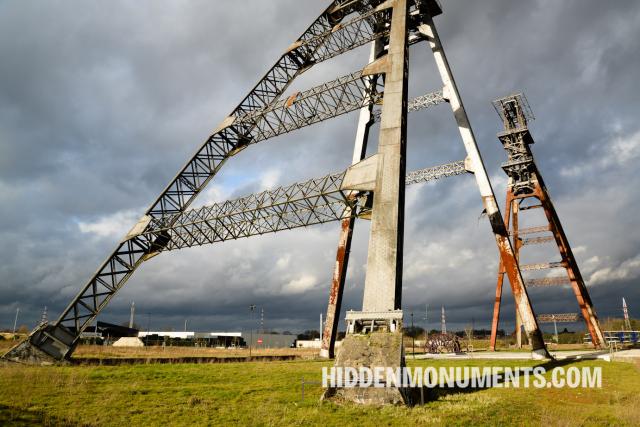
Houthalen is the last mine that opend its doors in the Kempen coal basin. Only the main building and the two steel headframes were preserved.
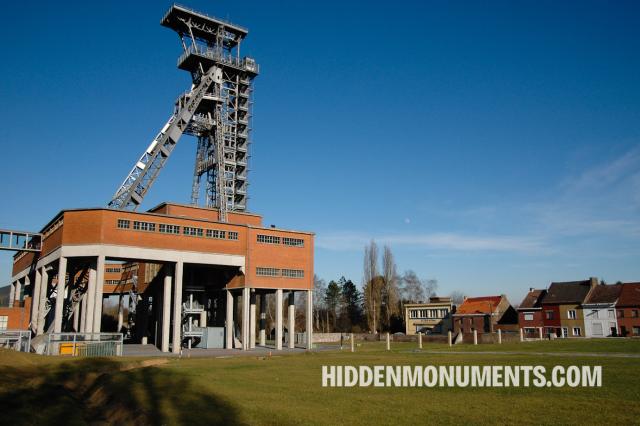
The Crachet-Picquery coal mine was one of 11 mining settlements operated by the Charbonnage de Frameries in and around the Borinage commune of the same name.


From December 1878 to October 1880, Dutch painter Vincent Van Gogh stayed in the Belgian mining region of the Borinage.
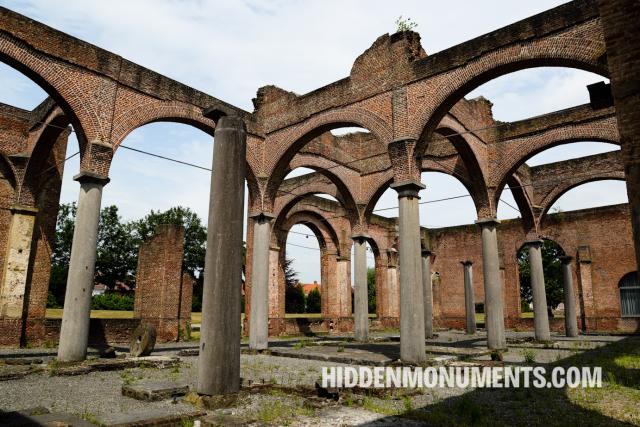
In 1810, industrialist Henri De Gorge bought the Grand-Hornu coal mine in the Borinage, a famous mining region in Belgium.

Since 1876, coal has been transported from the Bernissart mines via Blaton via the 4-kilometre-long railway line 80/78A.

At the end of the eighteenth century, this brick building in Bernissart, Belgium, was built to house a new gadget: Thomas Newcomen's atmospheric engine.
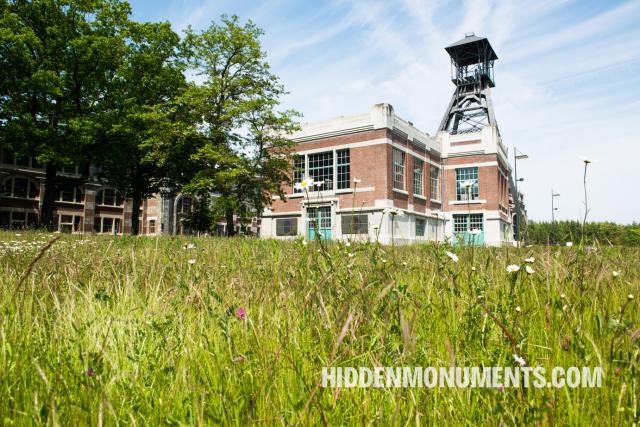
The "Charbonnages André Dumont-sous Asch" is the full name of the Waterschei mine—a tribute to Professor Dumont, the geologist who discovered the coal layers in As.
Get the latest stories straight to your inbox
Latest from the blog

On the occasion of International Art Nouveau Day, celebrated each year on June 10, a look at how this ornate architectural movement found its way into the most unlikely of places like coal mines, power stations, and railway yards and the long, sometimes heartbreaking battles to save what remains.
All photos and stories are copyrighted. Of course, linking to articles on the site is possible and allowed.
If you would like to use photos or articles from this website, please contact bart@hiddenmonuments.com.
© 2003-2026 Hiddenmonuments.com