Ruhr Area
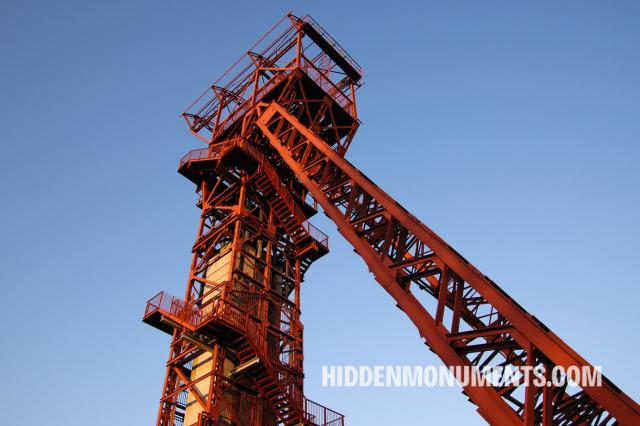
A stone's throw from the headquarters of the Zeche Zollverein in Essen, a headframe has been preserved from a smaller coal mine that was part of the mining giant.
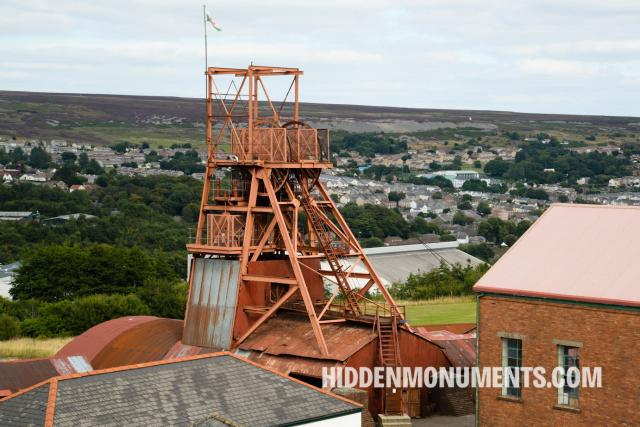
In the French coal basin of Nord-pas-de-Calais, Germany's Ruhr and Saarland, England, Wales, and Belgium, coal was brought to the surface in hundreds of coal mines for many years. Today, coal mines have become heritage sites or have been demolished.
A stone's throw from the headquarters of the Zeche Zollverein in Essen, a headframe has been preserved from a smaller coal mine that was part of the mining giant.


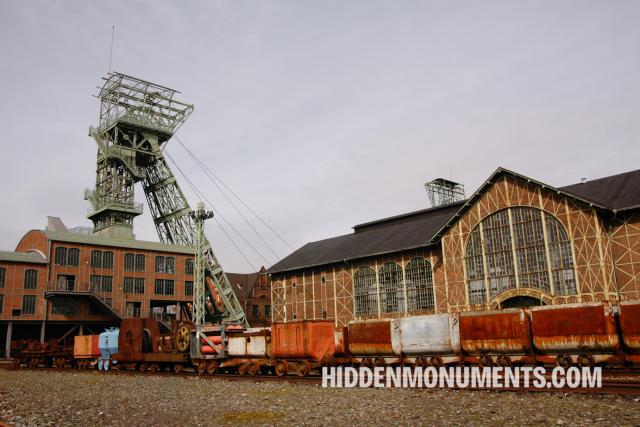



In the 19th century, the tentacles of the Walloon coal industry in Belgium reached deep into the German Ruhr area.

Three striking headframes from three different eras stand in the German Ewald coal mine, which closed its doors in 2000.
Get the latest stories straight to your inbox
Latest from the blog

On the occasion of International Art Nouveau Day, celebrated each year on June 10, a look at how this ornate architectural movement found its way into the most unlikely of places like coal mines, power stations, and railway yards and the long, sometimes heartbreaking battles to save what remains.
All photos and stories are copyrighted. Of course, linking to articles on the site is possible and allowed.
If you would like to use photos or articles from this website, please contact bart@hiddenmonuments.com.
© 2003-2026 Hiddenmonuments.com