The Albert Canal was opened to shipping in 1939. However, its construction had consequences for rail traffic. Railway line 20's route between Hasselt and Maastricht was changed, and the Albert Canal at Gellik was crossed via a Vierendeel bridge.
Embark on a journey through Europe's rich railway history, from vintage train stations to historic railway lines. Discover the engineering marvels and scenic routes that shaped the continent's travel heritage. Explore iconic sites that capture the golden era of rail travel and the innovation that drove it forward.
The Albert Canal was opened to shipping in 1939. However, its construction had consequences for rail traffic. Railway line 20's route between Hasselt and Maastricht was changed, and the Albert Canal at Gellik was crossed via a Vierendeel bridge.
Not much remains of Ramskapelle's former railway station today, as it was shot to pieces during the Battle of the Yser. The station was, therefore, right on the front line along the Yser.
No expense was spared in building the more than 46-kilometre-long railway line between the Dutch town of Lage Zwaluwe and Hertogenbosch. Thus, in the 1880s, the construction of a spacious railway bridge above the Bossche inundation field began.
A century after the construction of the Waggelwater Bridge, a railway bridge over the Bruges-Ostend canal, a new railway bridge was commissioned in 2009, and trains no longer crossed the monumental Waggelwater Bridge.
In the early 20th century, between the railway line Ghent-Bruges and the Ghent-Ostend canal, 'La Brugeoise & Nivelles' rose from the ground, a famous railway equipment manufacturer.
New Year's Eve 1874. Over a railway viaduct hundreds of metres long near Wesel, Germany, a first train thunders over what will become the transnational railway line between Paris and Hamburg.
On Monday evening, 3 August 1914, an explosion signalled the start of World War I in Belgium. Belgian combat engineers detonated the southern portal of the Laschet train tunnel.
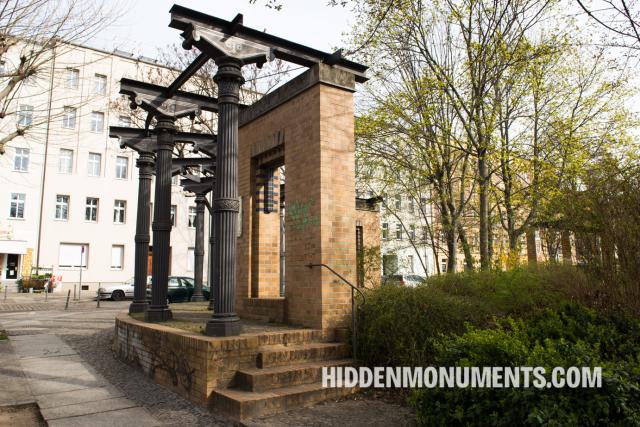
Hartung columns or 'Hartungsche Säule' may be a familiar name in Berlin, but outside the German capital, their name mostly raises questions. What does the name Hartung stand for?
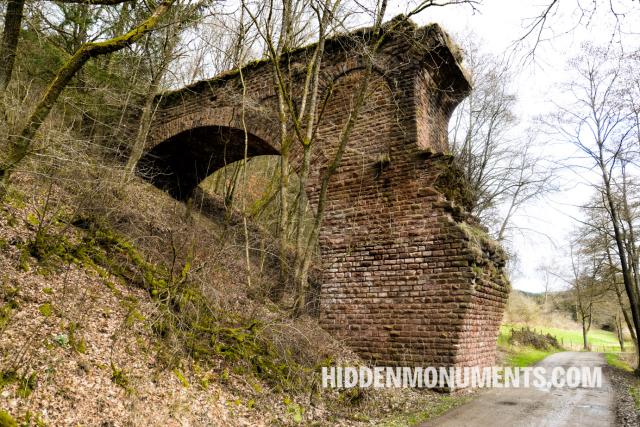
Railway line 47, the section of the Vennbahn between Sankt Vith and Troisvierges, was commissioned in late 1889 and crossed the Our River via a brick viaduct near the German village of Hemmeres.
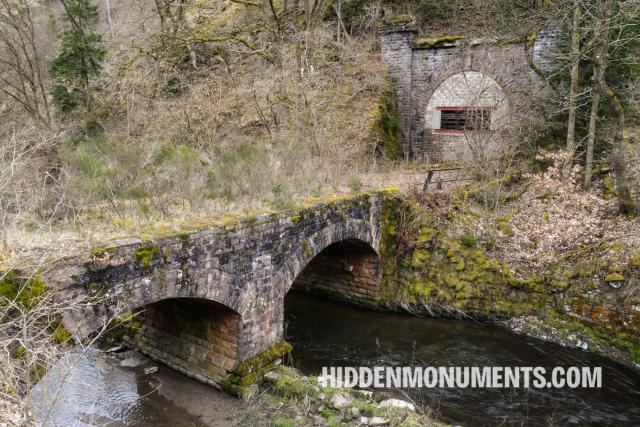
Height differences in the landscape, forests, or rivers? In the late nineteenth century, nothing could stop the construction of railway line 47 between Sankt Vith and Troisvierges in Luxembourg. Along with railway line 48, this route formed the historic Vennbahn, where iron ores and coal were transported.
Get the latest stories straight to your inbox
Latest from the blog
On the occasion of International Art Nouveau Day, celebrated each year on June 10, a look at how this ornate architectural movement found its way into the most unlikely of places like coal mines, power stations, and railway yards and the long, sometimes heartbreaking battles to save what remains.
All photos and stories are copyrighted. Of course, linking to articles on the site is possible and allowed.
If you would like to use photos or articles from this website, please contact bart@hiddenmonuments.com.
© 2003-2026 Hiddenmonuments.com