Berlin
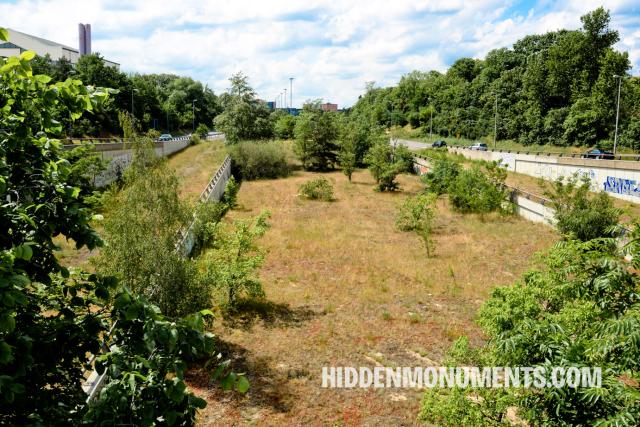
Instead of cars and trucks rushing by, grass, trees and shrubs grow on the A103 highway in Berlin's Schöneberg.
Discover abandoned places, hidden monuments and untold stories in the capital of Germany, Berlin.
Instead of cars and trucks rushing by, grass, trees and shrubs grow on the A103 highway in Berlin's Schöneberg.
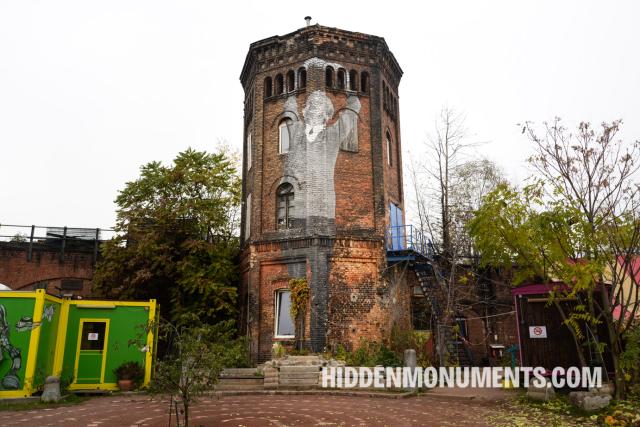
A stone's throw from Ostbahnhof station in the German capital, Berlin, you will come across this brick water tower from 1880.

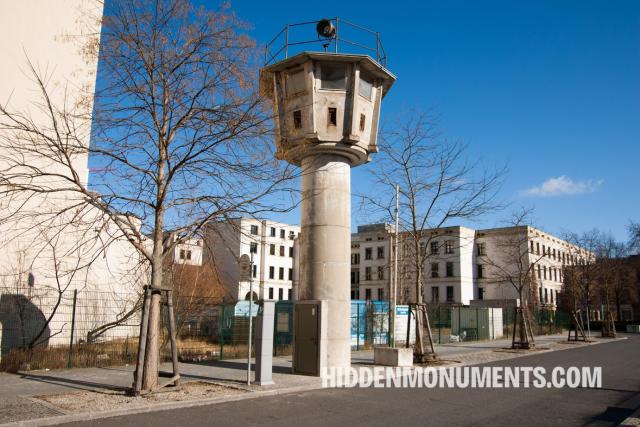
On the night of April 25 to 26, 1940, the British Royal Air Force bombed the German capital Berlin. For Nazi leader Adolf Hitler, it was unpalatable to have bombs hit the capital of his Third Reich.
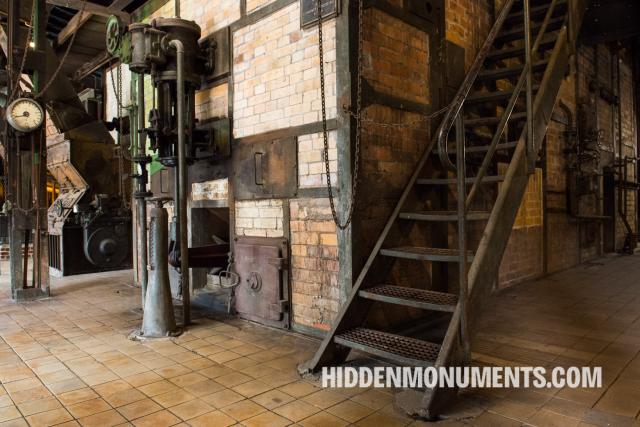
In the Herzberge landscape park, a green oasis in Berlin's Lichtenberg district, the Queen Elisabeth evangelical hospital was built at the end of the nineteenth century and was heated from a separate boiler room.

In 1837, August Borsig set up a workshop on Chausseestraße in Berlin. He assembled his first locomotive three years later, the first of many.

Karlshorst not only has a former airport in store but also a vanished zeppelin shed and a railway yard that has been transformed into a landscape park.

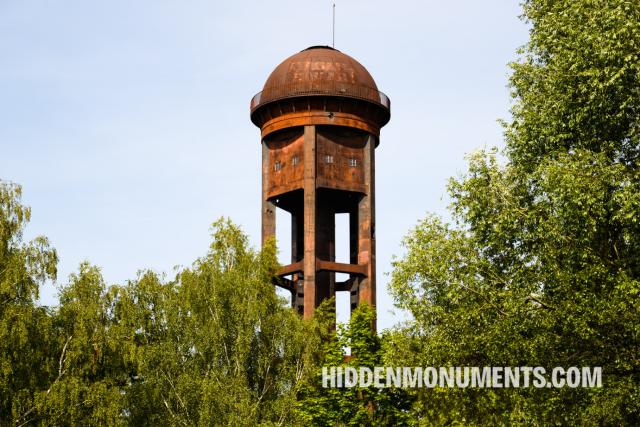
A 50-meter-high water tower rises from the ground between the former Tempelhof railway yard tracks in Berlin. With a capacity of 400 cubic meters of water, he could supply ten steam locomotives with the snap of a finger.
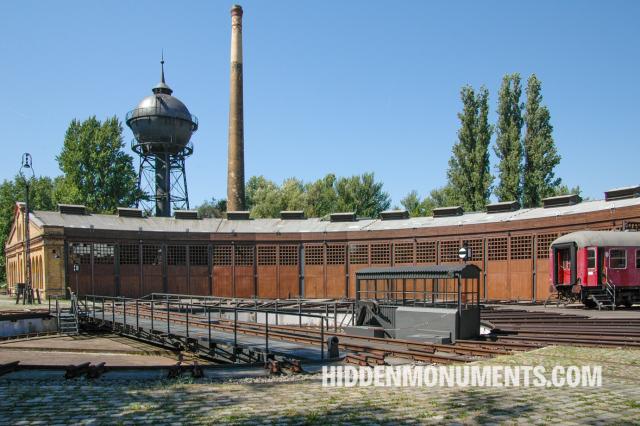
Barely a quarter of a century after constructing the Anhalter Bahn railway depot, the water reservoir was no longer sufficient to supply the larger and more powerful steam locomotives. That is why a completely new water tower was erected in 1908.
Get the latest stories straight to your inbox
Latest from the blog

On the occasion of International Art Nouveau Day, celebrated each year on June 10, a look at how this ornate architectural movement found its way into the most unlikely of places like coal mines, power stations, and railway yards and the long, sometimes heartbreaking battles to save what remains.
All photos and stories are copyrighted. Of course, linking to articles on the site is possible and allowed.
If you would like to use photos or articles from this website, please contact bart@hiddenmonuments.com.
© 2003-2026 Hiddenmonuments.com