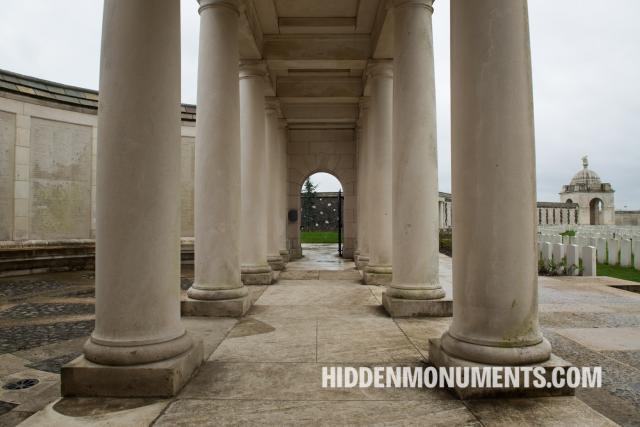
Tyne Cot Cemetery is the largest British military cemetery in continental Europe. More than 10,000 soldiers who died at the Battle of Passchendaele in 1917 during the First World War were buried in the monumental cemetery in Passchendaele.
Delve into the poignant history of the Great War through the lens of Flanders' battlefields and memorials. This page offers a curated collection of sacred sites of World War I in Flanders. Some of these landmarks have been declared Unesco World Heritage sites in 2023.
Tyne Cot Cemetery is the largest British military cemetery in continental Europe. More than 10,000 soldiers who died at the Battle of Passchendaele in 1917 during the First World War were buried in the monumental cemetery in Passchendaele.
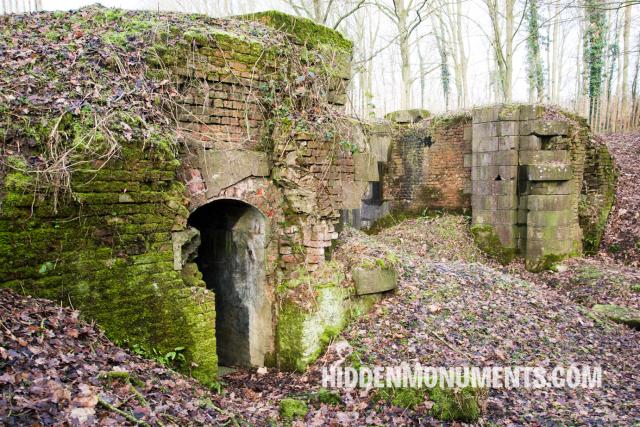
Half hidden underground on a hillside along the First World War battlefield in West Flanders, the German army built a reinforced concrete command post bunker.
The Trench of Death on the Yser Front in Dixmuide is the only preserved Belgian trench complex from the First World War.
Excavation works of the Ypres-Comines canal started in 1864. The canal would realize a connection between the Yser River and the Leie River. However, landslides at the ridge in Hollebeke soon threw a spanner in the works.
After a century, a concrete gun emplacement is all that remains of "Lange Max," the Germans' giant cannon used during the First World War.
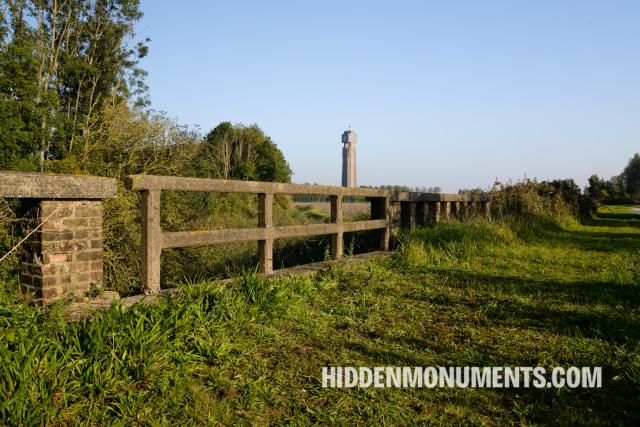
The Frontzate, the former railway line 74 connecting Diksmuide with Nieuwpoort, suddenly played a leading role as a front line during the First World War.
More than a hundred years ago, on May 12, 1917, the biplane of Count Paul de Goussencourt and Lieutenant de Cubber thundered from the sky during a firefight above Kaaskerke, a small town part of Diksmuide. Both died instantly.
Get the latest stories straight to your inbox
Latest from the blog
On the occasion of International Art Nouveau Day, celebrated each year on June 10, a look at how this ornate architectural movement found its way into the most unlikely of places like coal mines, power stations, and railway yards and the long, sometimes heartbreaking battles to save what remains.
All photos and stories are copyrighted. Of course, linking to articles on the site is possible and allowed.
If you would like to use photos or articles from this website, please contact bart@hiddenmonuments.com.
© 2003-2026 Hiddenmonuments.com