Liège
Germany
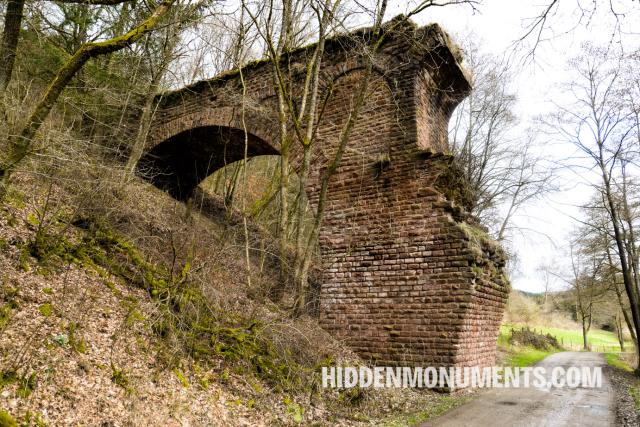
Railway line 47, the section of the Vennbahn between Sankt Vith and Troisvierges, was commissioned in late 1889 and crossed the Our River via a brick viaduct near the German village of Hemmeres.
Discover hidden things-to-do in Liege, the Walloon province in Belgium.
Railway line 47, the section of the Vennbahn between Sankt Vith and Troisvierges, was commissioned in late 1889 and crossed the Our River via a brick viaduct near the German village of Hemmeres.
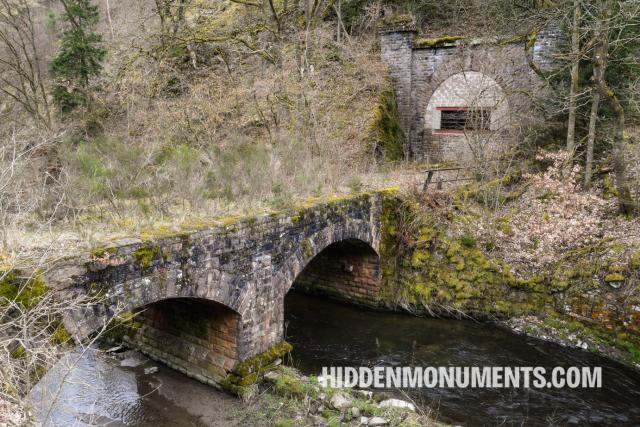
Height differences in the landscape, forests, or rivers? In the late nineteenth century, nothing could stop the construction of railway line 47 between Sankt Vith and Troisvierges in Luxembourg. Along with railway line 48, this route formed the historic Vennbahn, where iron ores and coal were transported.
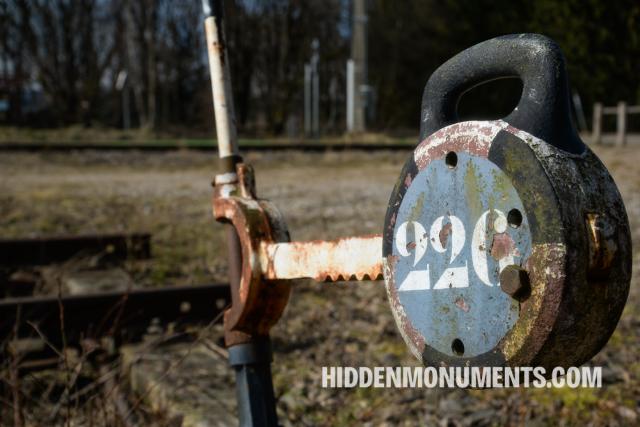
A turntable, signal box, rails and mechanical signals: the former station of Sourbrodt along the Vennbahn treats you to unique historical railway heritage.
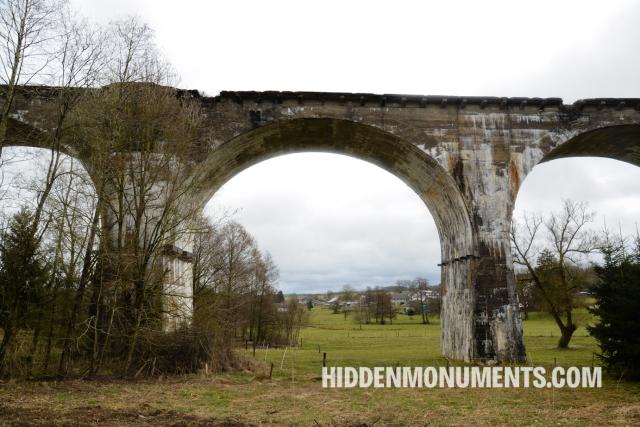
In 1916, the German army constructed a 285-metre-long viaduct in the village of Born in just eight months.
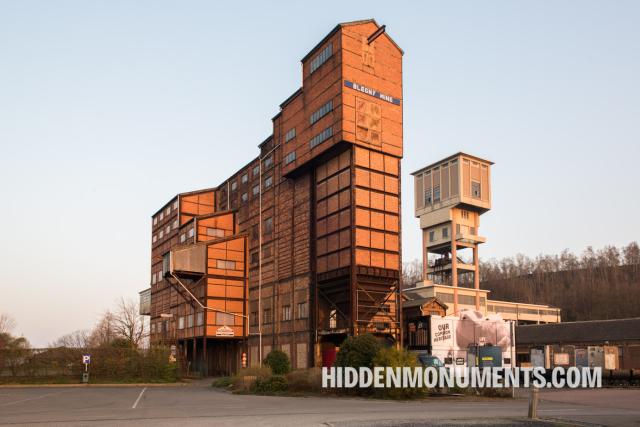
The Argenteau-Trembleur mine in Blegny is the last bastion of the Liège coal industry. In 1980, It closed its gates for the third time permanently.

Volunteers from History Park have taken care of a unique collection of historic railway wagons near the tripoint between Belgium, Germany and the Netherlands.

In the early twentieth century, a tunnel more than 140 meters long was excavated right through the rock on which the castle ruins of the Counts of Dalhem rest to construct local tramway line 466 between Liège and 's-Gravenvelden.

With its 17 bunkers linked together, the fortress of Eben-Emael was considered impregnable—or so the Belgian army thought.

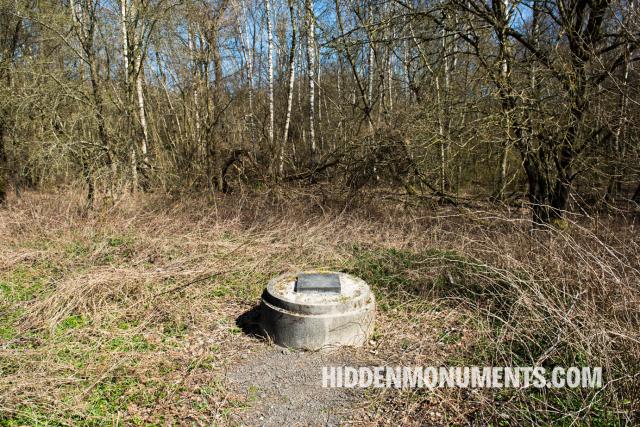
A concrete ventilation tower in the middle of a meadow is the only sign of Fort de Boncelles' presence in Seraing.
Get the latest stories straight to your inbox
Latest from the blog

On the occasion of International Art Nouveau Day, celebrated each year on June 10, a look at how this ornate architectural movement found its way into the most unlikely of places like coal mines, power stations, and railway yards and the long, sometimes heartbreaking battles to save what remains.
All photos and stories are copyrighted. Of course, linking to articles on the site is possible and allowed.
If you would like to use photos or articles from this website, please contact bart@hiddenmonuments.com.
© 2003-2026 Hiddenmonuments.com