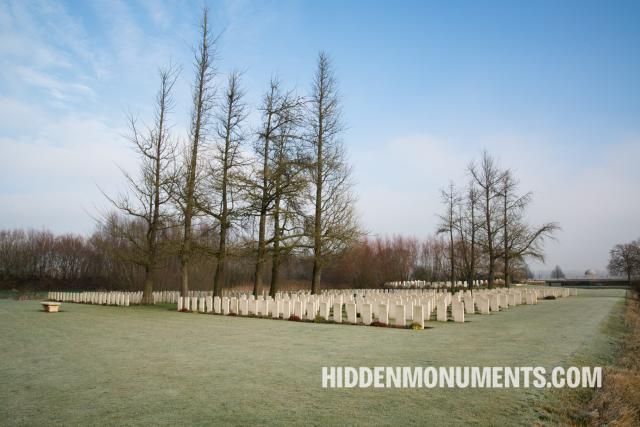
West Flanders
Once a country house set in lush parkland just outside Ypres, Bedford House was blown to bits during the First World War. The ruins were then used as a field hospital and brigade headquarters, among other things.
Venture beyond the beaten path with our curated list of Belgium's hidden gems. From hauntingly beautiful abandoned sites to the whispers of history, this is the ultimate guide for photography lovers and history enthusiasts seeking the extraordinary. Start your unique journey now.
Once a country house set in lush parkland just outside Ypres, Bedford House was blown to bits during the First World War. The ruins were then used as a field hospital and brigade headquarters, among other things.
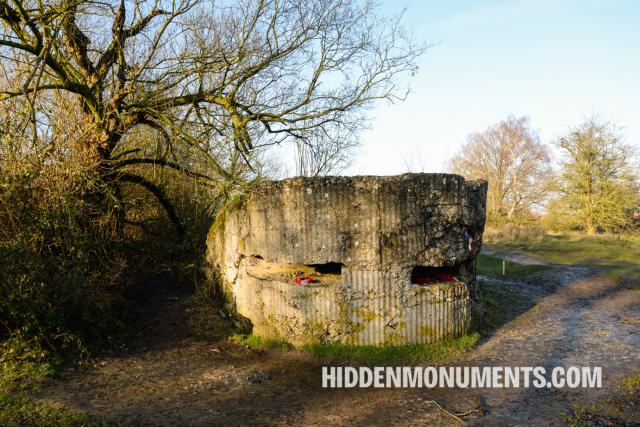
During the excavation work for the railway construction between Ypres and Kortrijk in 1854, a sixty-metre-high hill was created.
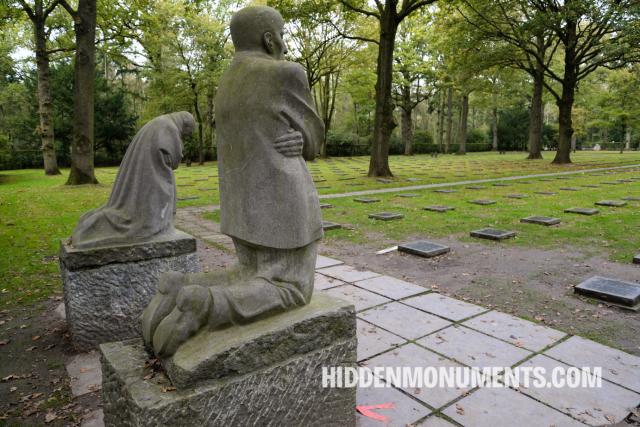
German soldier Peter Kollwitz was not yet 18 years old when he was killed on 23 October 1914 while attempting to cross the Yser near Diksmuide.

Langemark in Belgium has the dubious honor of being the place where chemical warfare made its debut: on April 22, 1915, German soldiers opened gas bottles from which 180 tons of chlorine gas hissed away. At least a thousand soldiers died in a blind panic.
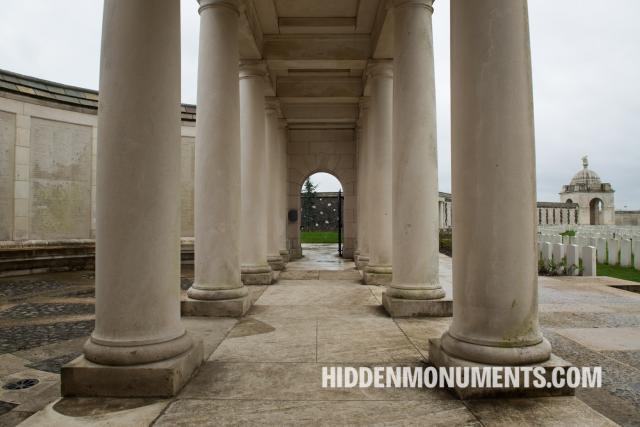
Tyne Cot Cemetery is the largest British military cemetery in continental Europe. More than 10,000 soldiers who died at the Battle of Passchendaele in 1917 during the First World War were buried in the monumental cemetery in Passchendaele.

Half hidden underground on a hillside along the First World War battlefield in West Flanders, the German army built a reinforced concrete command post bunker.
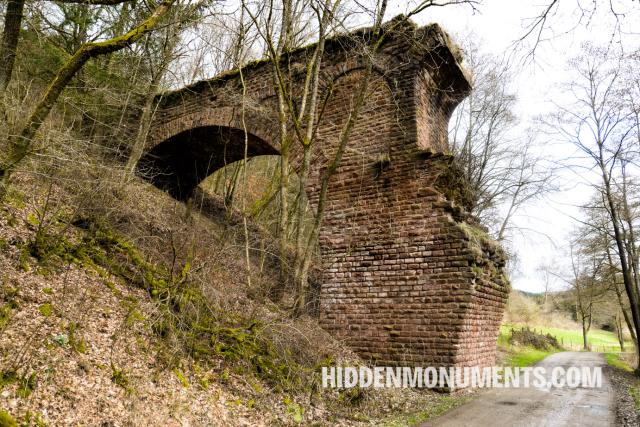
Railway line 47, the section of the Vennbahn between Sankt Vith and Troisvierges, was commissioned in late 1889 and crossed the Our River via a brick viaduct near the German village of Hemmeres.
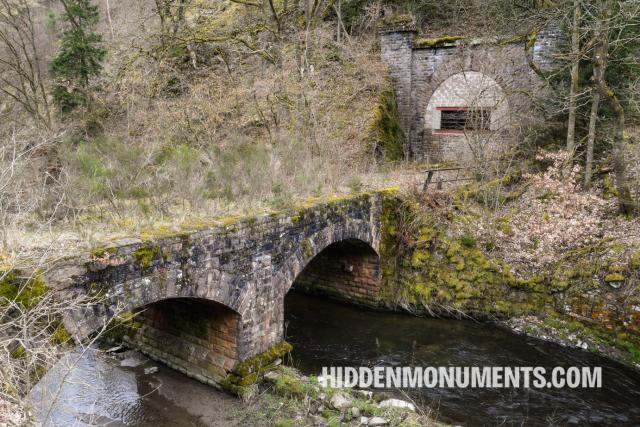
Height differences in the landscape, forests, or rivers? In the late nineteenth century, nothing could stop the construction of railway line 47 between Sankt Vith and Troisvierges in Luxembourg. Along with railway line 48, this route formed the historic Vennbahn, where iron ores and coal were transported.
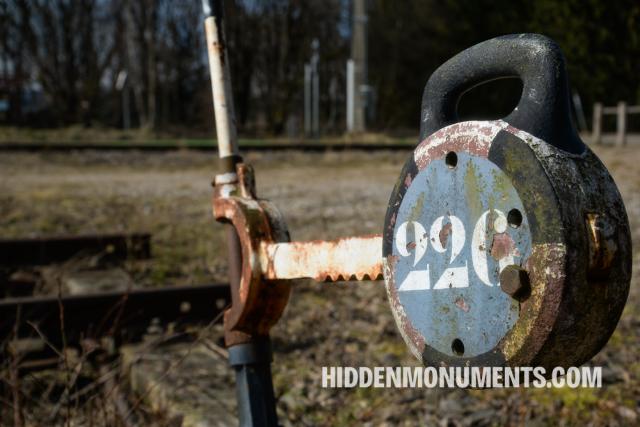
A turntable, signal box, rails and mechanical signals: the former station of Sourbrodt along the Vennbahn treats you to unique historical railway heritage.
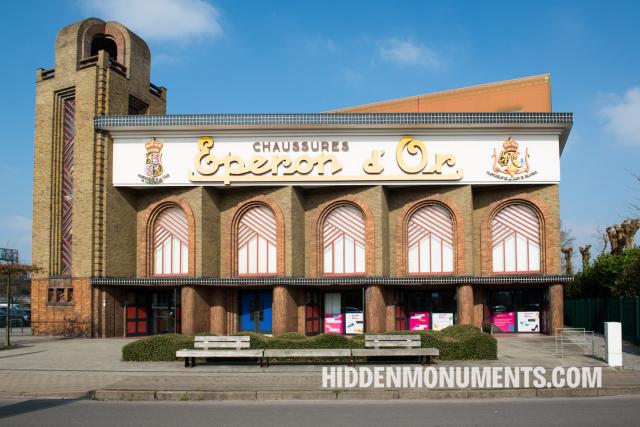
For years, Izegem has been the Belgian shoe and brush city par excellence. Today, the art-deco building of shoe manufacturer Eperon d'Or hides an impressive industrial heritage site.
Get the latest stories straight to your inbox
Latest from the blog

On the occasion of International Art Nouveau Day, celebrated each year on June 10, a look at how this ornate architectural movement found its way into the most unlikely of places like coal mines, power stations, and railway yards and the long, sometimes heartbreaking battles to save what remains.
All photos and stories are copyrighted. Of course, linking to articles on the site is possible and allowed.
If you would like to use photos or articles from this website, please contact bart@hiddenmonuments.com.
© 2003-2026 Hiddenmonuments.com