Grand Est
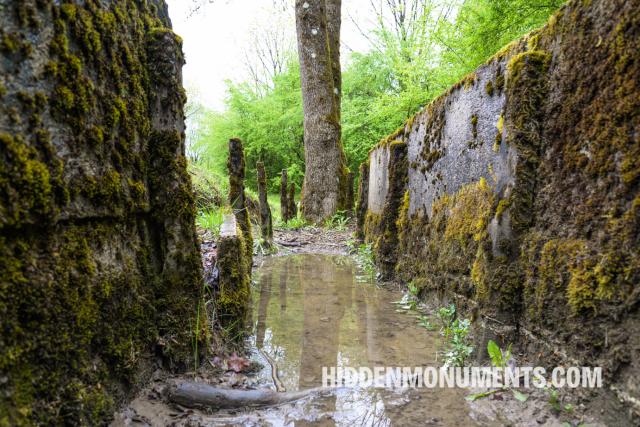
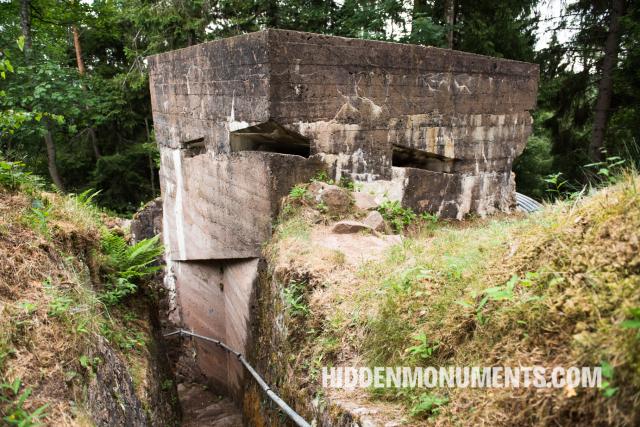
A stone's throw from the Douamont fortress meanders the Boyau de Londres, a World War I trench.
A guide to off-the-beaten-path locations in France, beyond Paris. Step inside remarkable abandoned châteaus, explore the beach of Dunkirk or explore the rich industrial heritage.
A stone's throw from the Douamont fortress meanders the Boyau de Londres, a World War I trench.
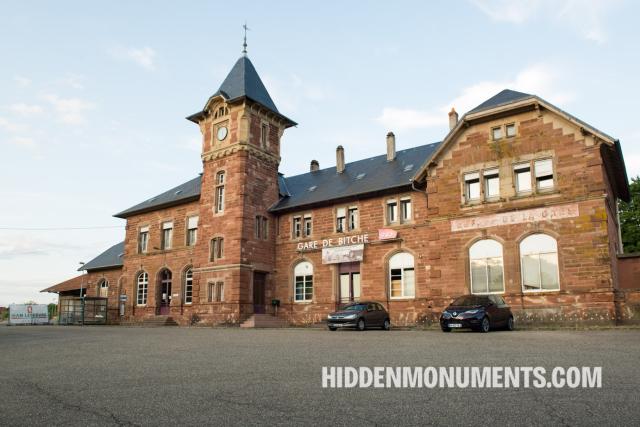
Until 2014, you could still see trains passing in the French-fortified town of Bitche. From then on, train traffic on the route section between Niederbronn via Bitche to Sarreguemines was discontinued.


When you say Wallers-Arenberg, you immediately think of the infamous cobblestone section in Paris-Roubaix bicycle road race, but Arenberg is also the name of the coal mine site located on the forest's edge.

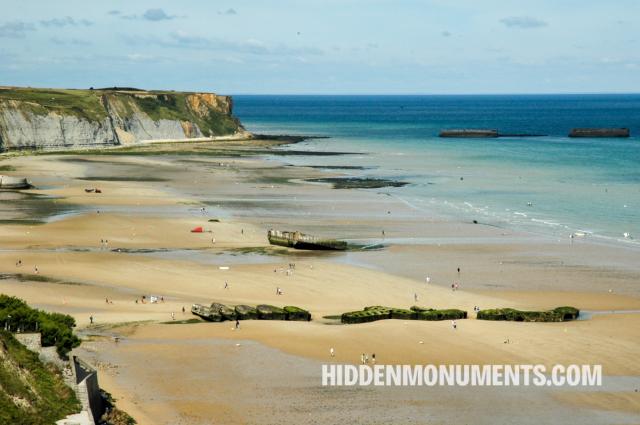
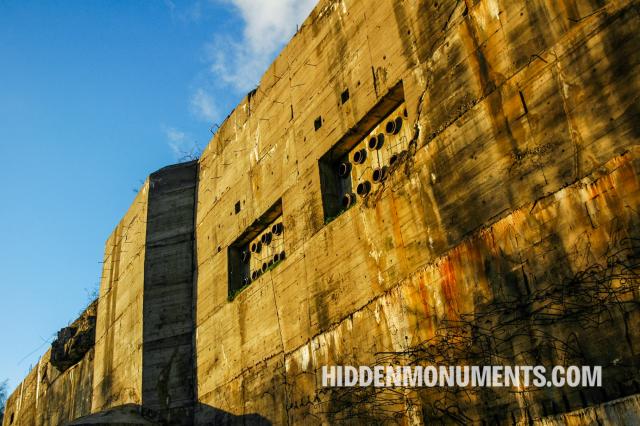
On June 6, 1944, Allied troops landed on the coasts of Normandy. D-Day marked the downfall of the Nazi Empire and the end of World War II.

From 1905 to 1988, coal was extracted from the underground in the Charles Ledoux coal mine in Condé-sur-l'Escaut in France.
Latest from the blog

Do these monuments ring a bell with you? You might recognise the locations of films and series such as Doctor Who, Babylon Berlin, and Dark.
All photos and stories are copyrighted. Of course, linking to articles on the site is possible and allowed.
If you would like to use photos or articles from this website, please contact bart@hiddenmonuments.com.
© 2003-2024 Hiddenmonuments.com