
Gelderland
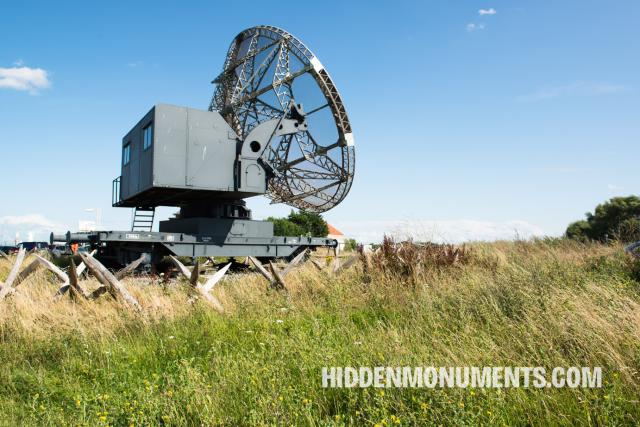
On the night of 18-19 January 1923, the Dutch East Indies (today's Indonesia) caught the first test signals from the Dutch broadcasting station Kootwijk, over 12,000 kilometres away. It was a miracle of technology—or was it?
Explore key World War II sites across Europe, from historic battlefields to poignant memorials.
On the night of 18-19 January 1923, the Dutch East Indies (today's Indonesia) caught the first test signals from the Dutch broadcasting station Kootwijk, over 12,000 kilometres away. It was a miracle of technology—or was it?

New Year's Eve 1874. Over a railway viaduct hundreds of metres long near Wesel, Germany, a first train thunders over what will become the transnational railway line between Paris and Hamburg.

In 1939, construction of a 50-kilometre defence line between Koningshooikt and Wavre, known as the KW-Line, began on behalf of the Belgian army.

Bunker 'Ermitage Sud' was part of the Maginot Line, a series of fortifications erected by the French army along its border after the German attack during World War I.
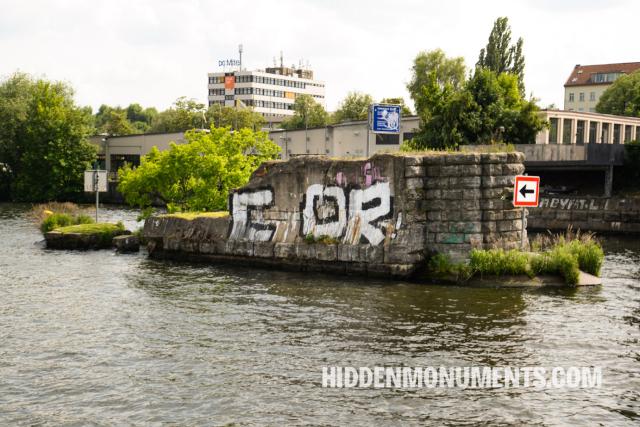
Hardly anything remains of the Brommy Bridge over the Spree today. In 1945, the bridge was blown up by the German army to prevent the Red Army's advance.
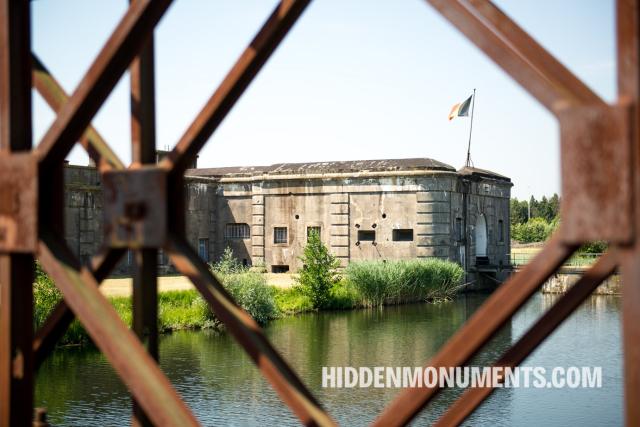
To defend the nation against foreign attacks, a series of forts were built around Antwerp, Liège and Namur from the end of the nineteenth century. For example, the Defense Line of Antwerp consisted of sixteen larger strongholds in a wide circle around the city, including Fort Breendonk.
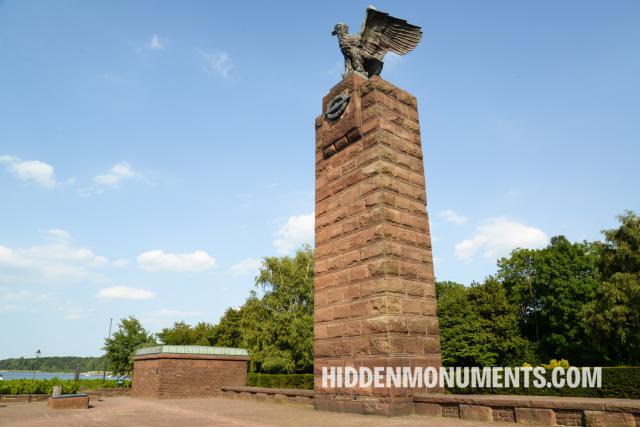
An eagle atop a 15-meter-high pillar was inaugurated in 1930 and originally commemorated German marines killed aboard a submarine during World War I.
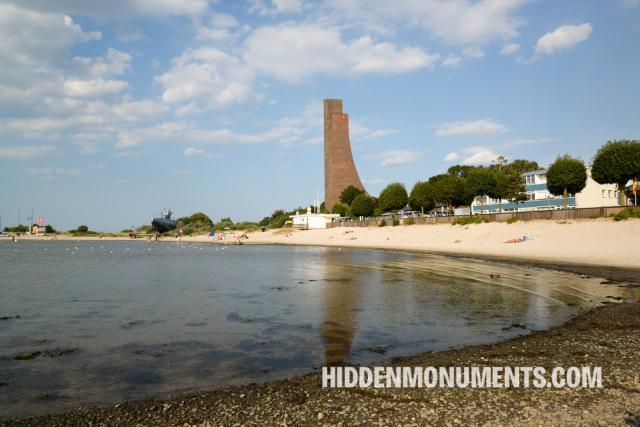
The Laboe Naval Memorial's foundation stone was laid in 1927 at the mouth of the Kieler Fjord in the Baltic Sea. The 72-metre-high tower was finished in 1936.
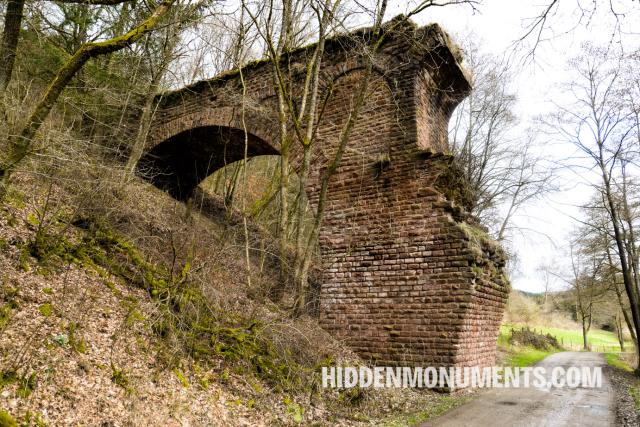
Railway line 47, the section of the Vennbahn between Sankt Vith and Troisvierges, was commissioned in late 1889 and crossed the Our River via a brick viaduct near the German village of Hemmeres.
Get the latest stories straight to your inbox
Latest from the blog

On the occasion of International Art Nouveau Day, celebrated each year on June 10, a look at how this ornate architectural movement found its way into the most unlikely of places like coal mines, power stations, and railway yards and the long, sometimes heartbreaking battles to save what remains.
All photos and stories are copyrighted. Of course, linking to articles on the site is possible and allowed.
If you would like to use photos or articles from this website, please contact bart@hiddenmonuments.com.
© 2003-2026 Hiddenmonuments.com