
East Flanders
The polder village of Doel is located on the left bank of the river Scheldt and is surrounded by the Doel nuclear power plant and the Deurganck container dock that was put into use in 2005.
Discover the beauty of Europe's abandoned places, from desolate factories to forgotten ghosttowns, and uncover the stories behind these haunting relics of the past.
The polder village of Doel is located on the left bank of the river Scheldt and is surrounded by the Doel nuclear power plant and the Deurganck container dock that was put into use in 2005.

In 1954, the Belgian army built a bunker at the foot of the Kemmelberg. The top secret command center would house the army headquarters in the event of a crisis or conflict during the Cold War.

After the Second World War, the acrobats and horses in the Ghent Winter Circus made way for the out-of-control classic car collection of the Mahy car garage. After more than 20 years of vacancy, the Ghent circus was renovated.
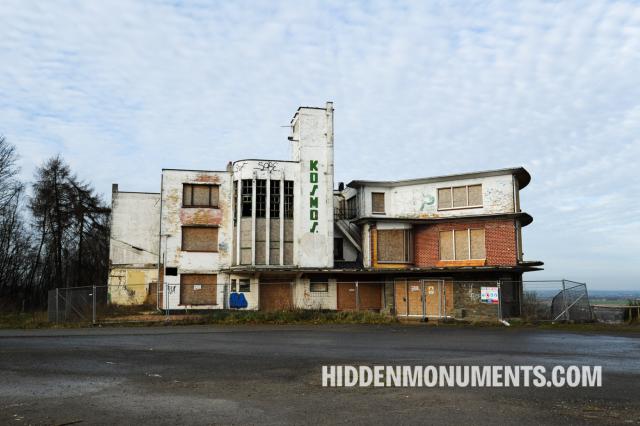
After more than twenty years of vacancy, work on the modernist main building of the Kosmos holiday domain on the Rodeberg will start at the end of 2024. The modernist building will house a hotel, café and restaurant.

One of the first open-air swimming pools in Belgium is located in Spiere-Helkijn. A water treatment plant at the mouth of the Spierebeek in the Scheldt was converted into an open-air swimming pool at the end of the 1930s.

The Stasi prison Hohenschönhausen is hidden in an ordinary neighbourhood in Berlin. From 1951 onwards, the GDR regime interrogated and imprisoned thousands of political prisoners here.
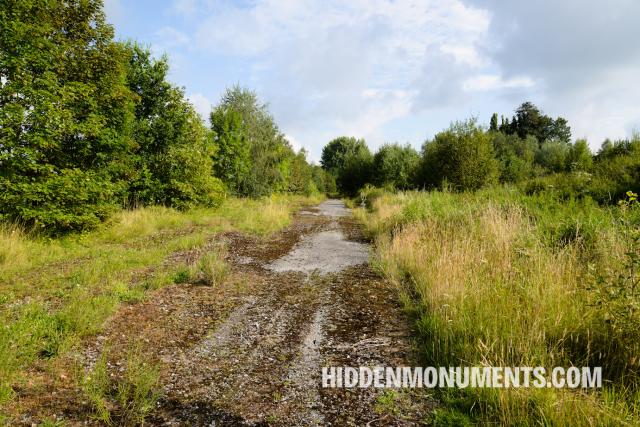
A seven-hundred-meter long embankment, a splash of asphalt here and there, and two useless viaducts: cars will not immediately drive on the four-lane road of the N60 in Frasnes-lez-Anvaing.
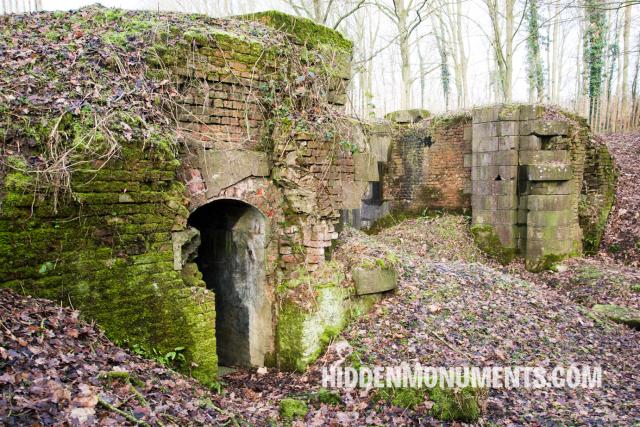
Excavation works of the Ypres-Comines canal started in 1864. The canal would realize a connection between the Yser River and the Leie River. However, landslides at the ridge in Hollebeke soon threw a spanner in the works.

"Bien travailler, bien s'amuser" (in English: Work hard, play hard) is the motto on the facade of the banquet hall of the Fauquez glass factory.
Get the latest stories straight to your inbox
Latest from the blog

On the occasion of International Art Nouveau Day, celebrated each year on June 10, a look at how this ornate architectural movement found its way into the most unlikely of places like coal mines, power stations, and railway yards and the long, sometimes heartbreaking battles to save what remains.
All photos and stories are copyrighted. Of course, linking to articles on the site is possible and allowed.
If you would like to use photos or articles from this website, please contact bart@hiddenmonuments.com.
© 2003-2026 Hiddenmonuments.com